
brian eno oblique strategies pdf
Brian Eno’s Oblique Strategies PDF offers a compact digital guide to the iconic card deck that sparked countless creative breakthroughs. It condenses the original 91 cards into a searchable format, preserving the enigmatic prompts and visual cues for quick reference.It fuels creative spontaneity worldwide

History of Oblique Strategies
Oblique Strategies emerged in 1975 when Brian Eno and Peter Schmidt collaborated to break creative blocks The deck, with 91 cryptic prompts, guided musicians and artists toward solutions. Its influence spread across genres, inspiring improvisation and experimentation.
Brian Eno and Peter Schmidt conceived Oblique Strategies in the mid‑1970s as a collaborative experiment to disrupt habitual thinking in music and art. Their partnership began during a period of intense creative exploration, with Eno working on ambient soundscapes and Schmidt engaged in visual and conceptual projects. The duo sought a method to force artists out of comfortable patterns, prompting them to create a deck of cards each bearing a succinct, often paradoxical statement or visual cue. These prompts were designed to be ambiguous enough to spark new associations yet concrete enough to be actionable. Over several months, they drafted 91 cards, drawing from diverse sources such as philosophy, literature, and everyday observations. The cards were printed on thick cardstock, each featuring a distinct color scheme and typography that reflected the card’s mood. The process involved iterative refinement: they tested cards in studio sessions, noting which prompts yielded unexpected results. The final product became a tool for musicians, composers, and visual artists to break through creative stalls. Eno’s own recordings, including the seminal album ‘Discreet Music,’ incorporated the deck’s influence, while Schmidt’s visual installations echoed its conceptual underpinnings. The collaboration exemplified a cross‑disciplinary dialogue, merging sonic experimentation with visual provocation. Their work laid the groundwork for subsequent generations of artists to adopt similar strategies, cementing Oblique Strategies as a staple in creative practice worldwide. Their collaborative spirit inspires artists, sparking beyond of creative limits!

Content Overview of the PDF
The PDF condenses the original 91 Oblique Strategies cards into a searchable digital format. Each card’s prompt, accompanied by its original illustration, is displayed with clear typography. The layout preserves color coding, enabling quick reference during creative sessions. A creative aid for all.now
Number of Cards and Themes
Brian Eno’s Oblique Strategies PDF faithfully reproduces the original 91 cards, each a compact prompt designed to disrupt habitual thinking. The cards are grouped into thematic clusters—musical composition, sound design, visual art, performance, improvisation, and everyday life—yet they cross boundaries. Each card appears with its iconic illustration, color palette, and succinct text, enabling quick reference. The PDF preserves the original numbering, so users can share exact card numbers. A searchable index lists keywords such as “contrast,” “repetition,” “silence,” and “texture,” making it easier to locate cards that address specific challenges. The PDF also includes a brief introduction explaining the deck’s historical context and how Eno and Schmidt used it for collaborative experimentation. The cards cover a wide spectrum of prompts, from the abstract—“Use an old idea” or “Emphasize the middle” to the concrete—“Change the instrument” or “Add a delay.” They encourage breaking out of linear thinking, fostering experimentation and serendipity. Musicians draw a card during rehearsals or recording, letting the prompt steer the creative direction. The PDF’s design mirrors the original deck’s layout, with each card’s color coded to its theme, making it intuitive to navigate. It remains a tool for creators today. Here

How to Access the PDF
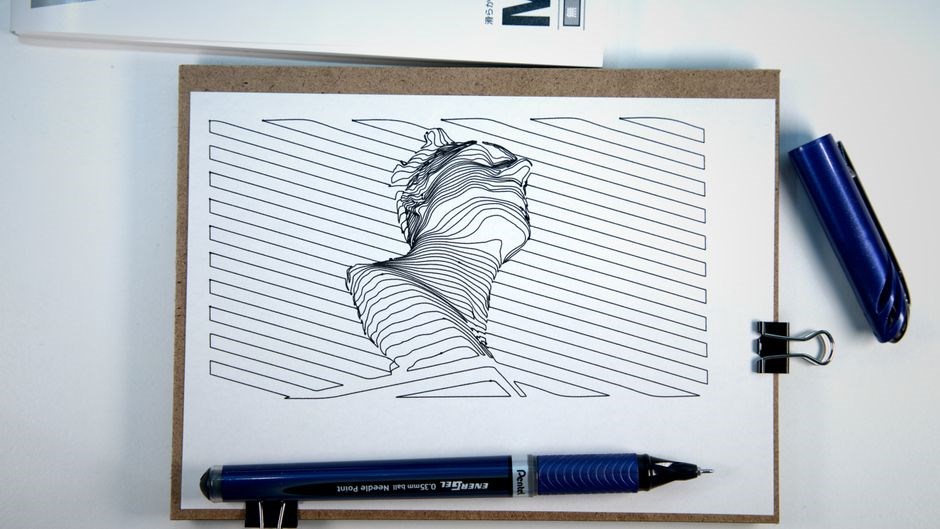
Access the Oblique Strategies PDF through official channels or reputable archives. Download from the artist’s website or licensed distributors. Ensure the file is authentic and respects copyright. For offline use, save the PDF to your device and open with any standard reader. Use a library copy for study .
Official Sources
For those seeking the authentic Oblique Strategies PDF, the most reliable avenue is the official Brian Eno website. The site hosts a dedicated download link that provides a high‑resolution PDF version of the original 91‑card deck. This file is updated to reflect revisions or reprints, ensuring users wording imagery E and Schmidt intended. The download is free, but requires a brief email registration to confirm the user’s interest in the material. Once registered, a confirmation email contains a secure link that bypasses any third‑party hosting services, preserving the integrity of the file. Additionally, the official Eno store occasionally offers a physical print‑on‑demand version of the deck. While the PDF remains the primary digital resource, the print option allows collectors to compare the tactile experience of the original cards with the convenience of a digital format. For academic or archival purposes, the National Library of Australia holds a licensed copy of the PDF in its digital collection. Researchers can access this through the library’s portal, provided they have a valid library card. This institutional source guarantees that the PDF is preserved in a format that meets archival standards, including metadata and checksum verification. Finally, the Oblique Strategies project has an official GitHub repository that hosts the PDF along with supplementary documentation. The repository is maintained by a community of fans and scholars who ensure that the file remains up to date with the latest legal releases. Users can clone or download the PDF directly from the repository, and the GitHub interface provides a transparent audit trail of any changes made to the file. By relying on these official sources, enthusiasts can be confident that they are accessing the genuine, unaltered version of the Oblique Strategies PDF, free from unauthorized edits or copyright violations.
Unofficial Copies and Legalities
While the official PDF is freely available through Brian Eno’s own channels, many users turn to unofficial mirrors, torrent sites, or fan‑made compilations. These copies often lack the high‑resolution images or the original card artwork, and they may contain altered wording or missing prompts. Legally, the Oblique Strategies deck is still under copyright, and distributing or downloading unlicensed copies violates the author’s exclusive rights. The Copyright Act protects the text, illustrations, and layout, meaning that any reproduction without permission is infringing. In practice, the European Union’s “fair use” doctrine is limited; the deck is not considered a public domain text, and the copyright holder retains control over all derivative works. Some unofficial sites claim that the PDF is “public domain” because it was released in the 1980s, but this is a misconception: the original publication was under a commercial contract, and the rights have been renewed. The only legitimate way to obtain a copy is through the official channels or licensed distributors. If you wish to use the PDF for teaching or performance, it is advisable to seek a license from the publisher or to use the official free download. Unauthorized copies can lead to legal action, including takedown notices or civil claims for damages. Therefore, while the internet offers many copies, the safest and most respectful approach is to obtain the PDF from a reputable source that respects the creator’s intellectual property rights. Moreover, the Digital Millennium Copyright Act (DMCA) in the United States provides a safe‑harbor mechanism for hosting services, but this does not apply to individuals who upload or share copyrighted material without authorization. If a user downloads an unofficial PDF from a peer‑to‑peer network, they are personally liable for infringement, even if the file was shared by a friend. Some unofficial sites offer “cleaned” versions that remove copyrighted text, but this often results in a loss of context and creative value. For musicians who rely on the deck for inspiration, using an official copy ensures that the prompts remain true to the original intent. In academic settings, citing the official PDF is necessary to maintain scholarly integrity. Finally, if a user wishes to distribute the PDF within a group or classroom, they should obtain a group license from the publisher; many institutions have arrangements that allow limited distribution for educational purposes. By respecting these legal boundaries, creators and fans alike can support the continued availability of Oblique Strategies while honoring the intellectual property of Brian Eno and Peter Schmidt. Remember that the copyright term for the deck extends for 70 years after the death of the last surviving author, so it remains protected well into the future.
Usage Tips for Musicians
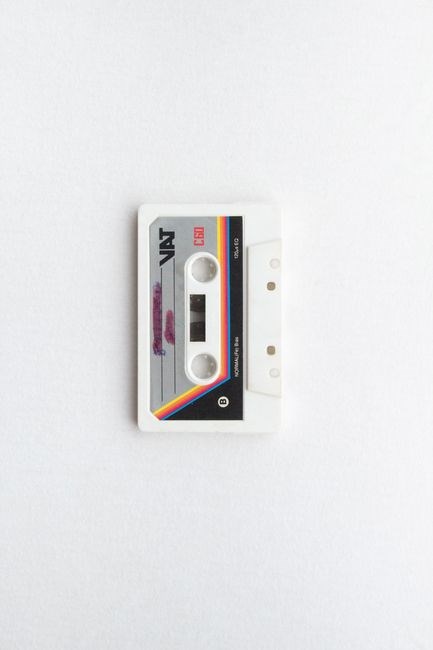
Use the PDF as a quick reference during rehearsals. Randomly select a card, then apply its prompt to a specific section. Keep a notebook for notes, and experiment with variations. Share cards with collaborators to spark collective creativity. Use them daily. They spark.
Applying Cards in Composition
When you begin a new piece, open the Oblique Strategies PDF and let the cursor wander. Pick a card at random or let the software shuffle. Read the prompt aloud, then pause. Ask yourself: “What is the core tension here?” Use the card’s suggestion to shift a melodic line, alter a rhythm, or change a harmonic texture. Write down the card number and the action you’ll take. This creates a log that can be revisited for later revisions. Keep the PDF open on a tablet or laptop. When you feel stuck, scroll to a new card. The prompt may inspire a key change, a tempo shift, or a switch to a different form. Many composers use the cards as a decision‑making tool: each card forces a choice, preventing analysis paralysis. Integrate the strategy into your workflow by setting a timer. For instance, work for 15 minutes, then consult a card. The time constraint encourages you to act quickly, fostering spontaneity. You can also assign cards to specific sections: “Intro – card 12,” “Bridge – card 27.” This ensures that the entire piece is guided by a series of deliberate, yet unpredictable, interventions. Over time, you’ll notice patterns in how certain cards influence your musical language, allowing you to refine your creative process. Finally, consider the card’s visual cue. Many cards feature striking imagery that can be translated into sonic textures. By combining textual and visual inspiration, you deepen the connection between the card and your composition. The PDF format makes it easy to revisit and compare cards, helping you build a personal library of strategies that evolve with your style.
Applying Cards in Live Performance
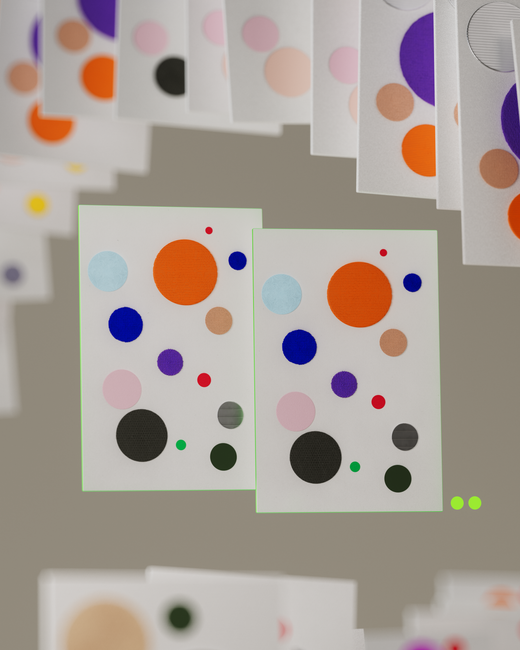
When a band takes the stage, the Oblique Strategies PDF can serve as an on‑stage catalyst. Load the file on a tablet, lock it in portrait mode, and pre‑select a set of cards that resonate with the setlist’s mood. During the show, trigger a card at a natural break—between songs, during a bridge, or when a groove feels stale. Tap the screen, read the prompt aloud, and let the musicians interpret it in real time. For instance, a card that says “Emphasize the quiet” might prompt the guitarist to switch to a muted pick, while a card reading “Use an element of the audience” could inspire a call‑and‑response chant that pulls the crowd into the groove.
Digital convenience is key: the PDF’s search bar lets you locate a card instantly, so you can match the cue to the energy of the moment. If you prefer a tactile reminder, print a single card, laminate it, and place it on a cue card holder on stage. The visual cue can spark spontaneous improvisation without breaking the performance’s flow. After the set, record the session and review how the card influenced the dynamics. This feedback loop helps you refine which strategies work best for different venues and audiences.
- Pre‑show prep: choose 5–10 cards that align with the set’s themes.
- During performance: tap at a natural pause, read aloud, and let the band respond.
- Post‑show: analyze the impact and adjust future card selections.
Beyond musical tweaks, Oblique Strategies can influence stage dynamics. A card that says “Change the order of the set” can prompt a spontaneous rearrangement of songs, keeping the audience guessing. Another card, “Add a new instrument,” might lead to a guest musician joining mid‑set. These choices can transform a routine gig into a memorable experience. The PDF’s ability to be accessed on multiple devices means you can share the card with a touring partner or a producer who can suggest a different card in real time.
- Use cards to alter lighting cues.
- Incorporate audience participation prompts.
- Adjust tempo or key on the fly.
- Introduce new textures or instruments.
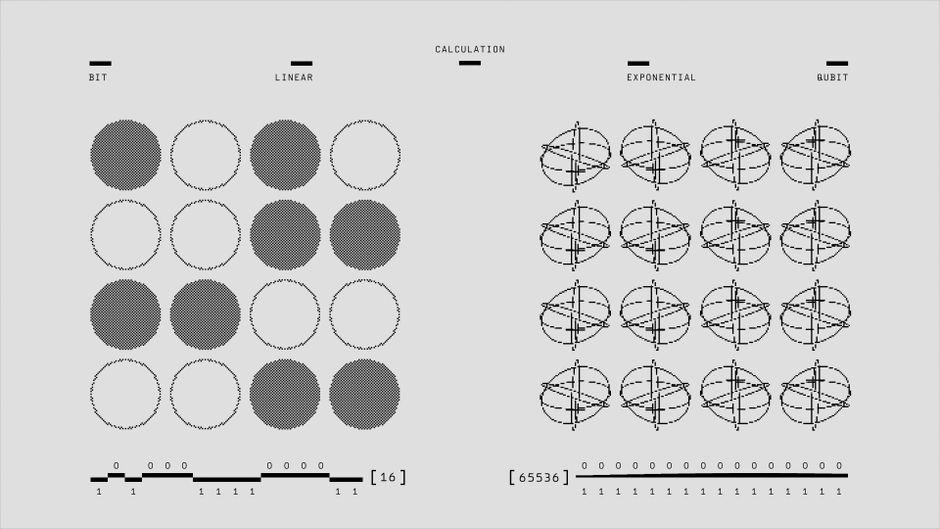
When a soloist takes the mic, a card like “Play in a different register” can push the guitarist to explore higher or lower octaves, or a card that says “Use a non‑traditional rhythm” can inspire a drummer to break the groove. These prompts keep solos fresh and prevent clichés. The PDF’s search function also allows you to find cards that specifically mention “solo” or “improv,” giving you a ready toolkit for on‑stage experimentation.
During rehearsals, the PDF can also serve as a rehearsal aid—prompting the band to experiment with phrasing or dynamics before show.

Digital vs Physical Formats

Digital PDFs offer instant access, searchability, and portability, letting musicians tap prompts on tablets or laptops during rehearsals and gigs. Physical cards provide tactile interaction, a tangible ritual that can spark spontaneous creativity on stage. and creative spark. for collaborative sessions.
Printing Your Own PDF
To create a custom print‑ready version of the Oblique Strategies PDF, begin by downloading the official file from the authorized source. Open it in a PDF editor such as Adobe Acrobat or the free LibreOffice Draw. Verify that each card’s image and text are crisp and that the resolution is at least 300 dpi to ensure sharpness when printed on cardstock.
Next, adjust the page size to match the physical dimensions of the original deck—typically 2.5 × 3.5 inches per card. Use the “Print Booklet” feature to arrange cards in a 4×4 grid, leaving a 0.125‑inch bleed for trimming. If your printer supports duplex printing, set the duplex option so that the back side of each card aligns perfectly with the front.
For a professional finish, choose a matte or semi‑gloss finish on heavy cardstock (120–140 lb). After printing, trim the cards with a precision guillotine or a paper cutter to maintain clean edges. Finally, laminate each card or apply a clear protective coating to preserve the artwork and prevent wear during frequent handling.
Always respect copyright by printing only for personal use and avoiding commercial distribution. If you wish to share the deck, request permission from the rights holder or use the public‑domain version provided by the publisher. This approach ensures both legal compliance and a high‑quality, tactile experience for musicians and creatives alike.
Printing your own deck personalizes your workflow. Custom backs or notes turn each card into a unique tool that grows with your music, sparking fresh ideas whenever needed. for practice!
After exploring the digital incarnation of Brian Eno’s Oblique Strategies, it becomes clear that the PDF is more than a mere replica—it is a gateway to spontaneous creativity that can be accessed instantly from any device. The compact format preserves the original card’s enigmatic phrasing, while the searchable layout allows users to locate prompts that resonate with a particular project or mood. This resource invites users to revisit cards, fostering ideas as their musical journey now soon unfolds. Moreover, the ability to print your own version means you can tailor the deck to your workflow, adding personal annotations or adjusting the card size for a more ergonomic experience. The digital medium also opens doors for integration with modern production tools: many DAWs now support custom scripting, enabling a card to trigger a preset, adjust a parameter, or launch a sample with a single click. This synergy between the ancient art of chance and contemporary technology underscores the enduring relevance of Eno’s original concept. In the end, the PDF serves as a reminder that creativity thrives when we embrace uncertainty, and that even a handful of words can catalyze a new direction. By keeping the Oblique Strategies within reach, we invite ourselves to pause, reflect, and let the unexpected guide our next musical decision. The PDF is a testament to Eno’s belief that art is a collaborative process between intention and happenstance, and it remains a valuable tool for anyone looking to inject fresh perspective into their work.
Related Posts

standard pipe schedule chart pdf
Need a standard pipe schedule chart PDF ASAP? 2 Bears and Counting has you covered! Downloadable charts for all your plumbing & piping projects – fast & free.

pdf their eyes were watching god
Get instant access to a PDF of Zora Neale Hurston’s classic, *Their Eyes Were Watching God*! Explore Janie Crawford’s journey – download, read, and discuss today!

matthew desmond evicted pdf
Dive into Matthew Desmond’s groundbreaking ‘Evicted’ with our convenient PDF! Understand housing insecurity & its impact. Download, read, & share this essential resource now.