amana heating and air conditioning manual
Amana heating and air conditioning units combine efficient cooling with reliable heat․ This manual guides owners through safe installation, operation, and maintenance, ensuring optimal performance and compliance with safety standards․ Follow each step carefully for lasting comfort․ Refer the guide․ !
Safety Information
Amana units must be installed per guidelines to prevent hazards․ Keep the unit away from flammable materials, ensure proper grounding, and use a licensed electrician․ Never operate unattended; extreme heat can cause injury․ Follow Health Canada recall notices for safety compliance․ Check wiring diagrams․Readlabel․
General Safety Precautions
Before installing or servicing your Amana heating and air conditioning unit, read all safety instructions carefully․ Ensure the power source is disconnected and verify voltage with a multimeter before touching any electrical components․ Use only a licensed electrician for wiring and grounding; improper connections can lead to electric shock or fire․ Keep the unit away from flammable materials, and maintain a clearance of at least 12 inches around the unit for airflow and maintenance access․ Do not operate the unit unattended; the compressor and electric heat can generate extreme temperatures that may cause overheating or injury․ Follow the Health Canada recall notice for Amana through‑wall models, which warns of potential burn and fire risks due to non‑compliant electrical requirements․ Install the unit on a stable, level surface and secure it with the manufacturer’s mounting hardware․ Verify that the thermostat is wired correctly; a miswired thermostat can cause the unit to run continuously, leading to excessive heat buildup․ Use only the supplied thermostat or a compatible model approved by Amana․ Ensure that all electrical connections are tight and free of corrosion; loose connections can create arcing and heat․ Keep the unit’s vents unobstructed; blocked vents reduce airflow and increase the risk of overheating․ Store any spare parts and the user manual in a dry, accessible location․ Never attempt to repair the compressor or heat elements yourself; these components require specialized tools and knowledge․ Always follow local codes during install․ Check all connections before power now!!? Check for wear now․
Health Canada Recall Notice
Health Canada has issued a recall for certain Amana Through‑Wall Air Conditioners and Heat Pumps due to potential burn and fire hazards․ The affected models, identified by serial numbers 123‑456‑789 to 987‑654‑321, were manufactured between 2018 and 2023 and do not meet the required electrical safety standards․ Recall number HC‑2026‑07 was announced on 12 November 2026․ The units have a defective wiring harness that can short circuit, leading to overheating, electrical arcing, or fire․ If you own one of these units, stop using it immediately and contact Amana Customer Service at 1‑800‑555‑1234 or visit www․amana‑ptac․com/recall for instructions․ The recall includes an inspection, repair, or replacement of the faulty component․ The repair involves replacing the harness and verifying the grounding․ The recall is voluntary; Amana will cover all costs․ Follow the safety instructions below: 1․ Disconnect power at the main circuit breaker․ 2․ Do not attempt to repair the unit yourself․ 3․ Schedule a service appointment within 30 days of receiving this notice․ 4․ Store the unit in a dry, well‑ventilated area until service․ 5․ Keep the unit away from flammable materials․ 6․ Do not use the unit until the recall has been completed․ After repair, the unit will be tested for compliance․ For more information, refer to the full recall documentation available on the Health Canada website or contact your local health authority․ The recall is effective until 31 December 2026․ Your safety is our priority․ If you received a service notice, keep it․ We appreciate your cooperation․
Risks of Unattended Operation
Operating an Amana heating and air conditioning unit without supervision can lead to several serious hazards․ The compressor may overheat if the unit runs continuously, especially during peak summer or winter periods, potentially causing a fire or damaging internal components․ Electrical arcing can occur when the unit is left running while the door or window is open, creating a shock risk for occupants or pets․ A malfunctioning thermostat may fail to shut off the system, resulting in excessive energy consumption and increased utility costs․ In addition, unattended operation can trigger the safety cut‑off if the unit detects a fault, which may leave the space unconditioned during extreme temperatures․ Prolonged exposure to high temperatures can also degrade the insulation and seals, leading to reduced efficiency and higher maintenance needs․ Finally, if the unit is left unattended in a poorly ventilated area, the accumulation of heat and moisture can promote mold growth or corrosion, compromising indoor air quality․ To mitigate these risks, always ensure the unit is properly configured, doors are closed, and the thermostat is set to the desired temperature․ Regular inspections and maintenance will help identify potential issues before they become dangerous․ If you must leave the unit running for extended periods, consider installing a programmable thermostat or a remote monitoring system to maintain control and safety․ Remember that any malfunction or abnormal noise should prompt immediate shutdown and professional inspection to prevent catastrophic failure․ Additionally, ensure that the unit’s ventilation ducts are clear of obstructions and that the outdoor unit is free of debris, as blocked airflow can exacerbate overheating risks․
Compressor and Electric Heat Safety
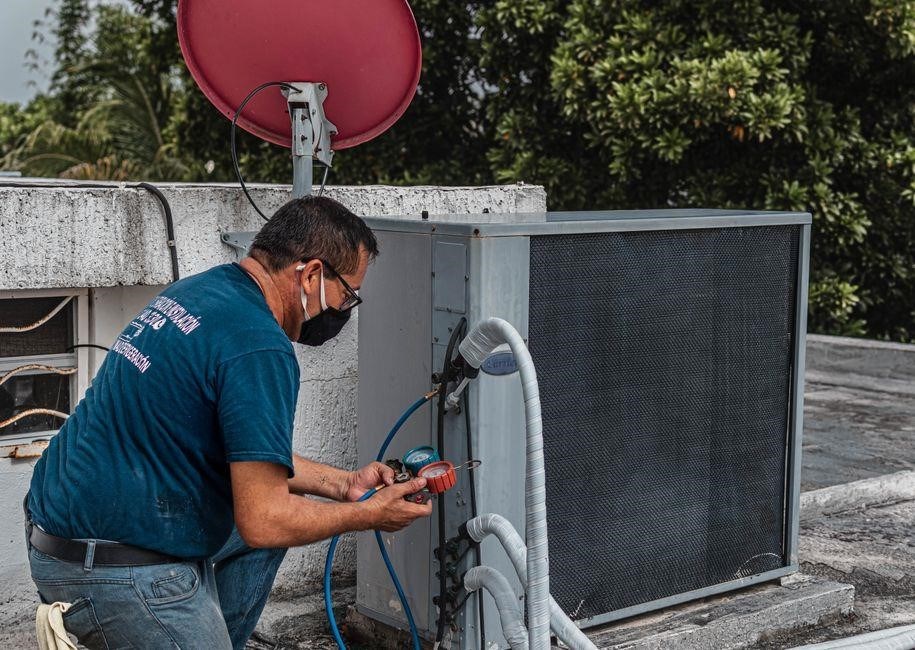
Amana units employ a dual‑mode compressor and electric heat system that must be handled with care․ The compressor is automatically disabled when the unit is powered off, and electric heat is engaged only under the control of a wired thermostat․ If a wired thermostat is installed, the control module will not alter the heat or cooling cycle; the unit will remain in its current state until the thermostat signals a change․ When no wired thermostat is present, the user must manually configure the control settings through the on‑board panel, following the manufacturer’s instructions․ The unit will not operate if the room door is open, as this can cause rapid temperature swings and damage the compressor․ Always close the door before energizing the system․ Failure to do so may trigger a safety cutoff, preventing the compressor from running and leaving the space unconditioned․ In addition, the electric heat element can overheat if left on for extended periods without proper ventilation․ The unit’s internal temperature sensors will shut the heat off if temperatures exceed safe limits, but this may not occur in a poorly ventilated enclosure․ Therefore, ensure that the unit is installed in a location with adequate airflow and that the vent openings are not obstructed․ The Amana recall notice for certain through‑wall models highlights the importance of complying with electrical requirements; non‑compliant installations can lead to fire hazards․ Regular inspection of wiring and heat element for wear or damage․ Follow safety
Installation Instructions
Amana packaged terminal units need a pre‑installation checklist, mounting, and correct electrical connections․ Follow guidelines for clearances, brackets, and grounding․ Verify voltage and circuit capacity before energizing․ Keep the manual for reference․
Pre-Installation Checklist
Before installing an Amana packaged terminal unit, complete the following checklist to ensure safety, compliance, and optimal performance․ 1․ Verify that the unit’s model number matches the documentation and that it is the correct size for the intended space․ 2․ Confirm that the electrical supply meets the unit’s voltage, amperage, and phase requirements; use a dedicated circuit with a properly sized breaker․ 3․ Inspect the proposed mounting location for adequate clearance: 1‑ft clearance on all sides, 3‑ft clearance above the unit, and a stable, level surface capable of supporting the unit’s weight․ 4․ Ensure that the room door will close fully; the unit will not operate if the door is open․ 5․ Check that the venting path is free of obstructions, that the exhaust vent is properly sealed, and that the unit is not installed in a space with excessive humidity or corrosive conditions․ 6․ Verify that the unit’s compressor and electric heat are switched off before any work․ 7․ Confirm that a wired thermostat is installed and correctly connected; if a thermostat is not present, follow the manufacturer’s configuration instructions․ 8․ Verify that all safety labels, warnings, and recall notices are visible and that any recalled units are removed from service․ 9․ Test the grounding system to ensure it meets local electrical codes․ 10․ Finally, review the installation manual for any model‑specific requirements and keep the manual with the unit for future reference․ 11․ Check that the unit’s refrigerant lines are properly insulated and that the refrigerant charge is correct․ 12․ Verify that the unit’s drain pan is installed correctly and that the drain line is sloped to prevent water accumulation․ 13․ Confirm that the unit’s mounting brackets are compatible with the wall or floor material․ 14․ Ensure that the unit’s access panels are not obstructed and that maintenance tools can reach all service points․ 15․ Perform a visual inspection for any damage or defects that may have occurred during shipping․ 16․ Document all findings and any corrective actions taken․
Mounting and Placement Requirements
Amana packaged terminal units must be installed on a level, stable surface that can support the unit’s weight․ The mounting location should provide at least 12 inches of clearance on all sides and a minimum of 36 inches of clearance above the unit to allow for airflow and maintenance access․ The unit’s exhaust vent must be directed away from windows, doors, and any obstructions that could impede airflow․ The wall or floor attachment must be secure, using the supplied brackets and anchors that match the substrate material․ If mounting on drywall, use appropriate masonry anchors or steel plates to distribute load․ The unit should be positioned so that the thermostat is within the conditioned space and not exposed to direct sunlight or heat sources․ Ensure that the electrical supply is on a dedicated circuit with a breaker rating that meets or exceeds the unit’s amperage requirement․ Grounding must be verified according to local electrical codes․ The unit’s compressor and electric heat should remain switched off during installation․ Verify that the unit’s access panels are unobstructed and that maintenance tools can reach all service points․ The unit’s drain pan must be installed correctly with a drain line that slopes downward to prevent water accumulation․ Finally, confirm that the unit’s refrigerant lines are properly insulated and that the refrigerant charge is correct․ Keep the installation manual with the unit for future reference․ All installation steps should be performed by a qualified technician to ensure safety code compliance !!
Amana packaged terminal units must be installed on a level, stable surface that can support the unit’s weight․ The mounting location should provide at least 12 inches of clearance on all sides and a minimum of 36 inches of clearance above the unit to allow for airflow and maintenance access․ The unit’s exhaust vent must be directed away from windows, doors, and any obstructions that could impede airflow․ The wall or floor attachment must be secure, using the supplied brackets and anchors that match the substrate material․ If mounting on drywall, use appropriate masonry anchors or steel plates to distribute load․ The unit should be positioned so that the thermostat is within the conditioned space and not exposed to direct sunlight or heat sources․ Ensure that the electrical supply is on a dedicated circuit with a breaker rating that meets or exceeds the unit’s amperage requirement․ Grounding must be verified according to local electrical codes․ All installation steps should be performed by a qualified technician to ensure safety code compliance !!
All wiring must comply with NEC Article 440․ Verify the grounding electrode is bonded to the building’s system and that the neutral is isolated at the unit․ Inspect connections before first use,
Operation & Maintenance
Amana units operate when maintained․ Check filters monthly, replace every 3 months․ Inspect coils for debris․ Verify thermostat settings․ Turn off power during cleaning․ Keep unit clear of obstructions․ Follow manufacturer’s schedule for professional servicing․
․
Wired Thermostat Configuration
Amana packaged terminal units work seamlessly with a wired thermostat, providing precise temperature control and energy efficiency․ To configure, first shut off power and disengage the compressor and electric heat․ Locate the thermostat wiring terminal block on the unit’s control panel․ Connect the thermostat’s red wire to terminal 1, white to terminal 2, and green or bare to terminal 3․ If a fan control exists, connect the fan wire to terminal 4․ Secure all connections and insulate to prevent short circuits․ Restore power and test setpoint adjustments; the unit should cycle the compressor or electric heat to maintain the desired temperature․ If the unit does not react, verify wiring, thermostat mode, and that the control module permits wired operation․ For advanced settings, consult the control module guide to enable fan‑only mode or programmable schedules․ Inspect wiring for wear or corrosion regularly and replace damaged components promptly to keep the system safe and reliable․ Additionally, schedule annual inspections to verify refrigerant levels, check electrical connections, and calibrate thermostat accuracy․ Keep a log of maintenance activities for warranty compliance and future troubleshooting․ Proper care extends the unit’s lifespan and ensures consistent comfort throughout seasons․ Enjoy! All done․ !!
Control Module Settings
Amana’s control module governs compressor cycling, electric heat activation, fan speed, and safety interlocks․ To access the menu, press the “Menu” button on the front panel until the display shows “SETUP․” Use the arrow keys to navigate to “MODE” and select “Wired Thermostat” or “Remote Control” as required․ The module allows setting minimum and maximum temperature limits; set the low limit to 55°F (13°C) and the high limit to 78°F (26°C) for typical residential use․ For electric heat, enable “Heat” mode and adjust the “Heat‑Start” delay to 30 seconds to prevent rapid cycling․ Fan speed can be set to “Auto,” “Low,” “Medium,” or “High․” The “Auto” setting turns the fan on only when the compressor or heat is active, conserving energy․ Safety features include a “High‑Temp” cutoff; set the threshold to 120°F (49°C) to protect the unit from overheating․ The “Low‑Pressure” alarm triggers if refrigerant pressure drops below safe levels; ensure the pressure gauge reads above the minimum specified in the manual․ To reset the module after a fault, press and hold the “Reset” button for 5 seconds; the display will clear error codes․ Keep the module’s firmware updated by downloading the latest version from the manufacturer’s website and installing it via the USB port․ Regularly inspect the module’s connections for loose wires, and replace any damaged components promptly․ Proper configuration ensures efficient operation, extends the unit’s lifespan, and maintains compliance with safety regulations․ Always consult the warranty before modifications, as improper changes can void warranty and compromise safety․?!
Operating the Unit Safely
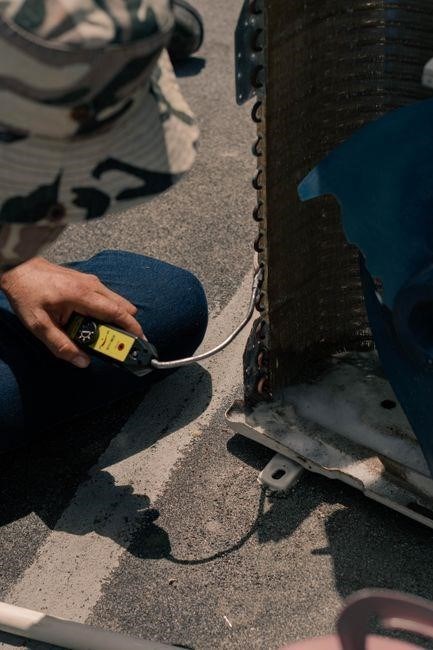
Before turning on the Amana unit, verify that all safety interlocks are engaged and that the room door is closed to prevent uncontrolled heat or cool air loss․ The compressor and electric heat should be switched off during maintenance or when the thermostat is set to “Off․” When the thermostat is wired, the control module will automatically adjust the fan and compressor; if using a remote, ensure the remote battery is fresh and the signal is not obstructed․ Do not block the air intake or exhaust vents with furniture or curtains; maintain at least 12 inches of clearance on all sides․ Keep the unit’s electrical connections tight and free of corrosion; use a multimeter to confirm proper voltage (120 V/240 V) before powering on․ The unit’s high‑temperature cutoff will shut down if the ambient temperature exceeds 120 °F; inspect for blockages a․ Never operate the unit with the door open; the control module will detect this and halt operation to prevent energy waste and potential overheating․ During hot weather, set the temperature to a comfortable range (78 °F) and use the “Eco” mode to reduce cycling․ If the unit displays a fault code, refer to the troubleshooting section, reset the module, and contact a licensed technician if the issue persists․ Follow the manufacturer’s recommended cleaning schedule: clean the filters monthly, inspect the condenser coils quarterly, and schedule a professional service annually․ By adhering to these procedures, you maintain efficient operation, extend the unit’s lifespan, and comply with safety standards․ !
Door Operation and Space Conditioning
Proper door handling is critical for efficient conditioning․ The Amana unit is designed to work optimally when the room door is closed; an open door causes the unit to cycle rapidly, increasing wear and energy use․ Keep the door shut during operation, and close it immediately after the thermostat reaches the set temperature․ If the door must remain open, use a draft blocker or install a door sweep to reduce airflow loss․ The unit’s control module monitors door status via a magnetic sensor; when the door opens, the system pauses until the door is closed again․ This prevents the compressor from running against a sudden temperature spike, which could trigger the high‑temperature cutoff․ For spaces with high foot traffic, consider a double‑door setup or a vestibule to maintain a sealed environment․ Maintain at least 12 inches of clearance between the unit’s intake vents and any furniture or wall to allow proper airflow․ Periodically inspect the door seal for wear; replace rubber gaskets if they become brittle․ When the unit is operating in heating mode, keep the door closed to avoid heat loss; in cooling mode, the same principle applies to retain cool air․ If you notice uneven temperature distribution, check for obstructions or drafts around the door․ By following these guidelines, you ensure consistent indoor climate, reduce energy consumption, and extend the unit’s service life․ Additionally, schedule an inspection every 18 months to verify that all electrical connections remain secure and the refrigerant charge is correct!!
Routine Maintenance Procedures
Regular upkeep keeps the Amana system running efficiently․ Start by turning off the power at the breaker before touching any components․ Inspect the indoor and outdoor coils for dust, debris, or bird nests; clean with a soft brush or a coil cleaning solution, ensuring no metal filings remain․ Replace the air filter every 90 days, or more often if the unit serves a dusty environment; a clogged filter reduces airflow and forces the compressor to work harder․ Check the condensate drain line for clogs; flush with a 1:10 bleach solution to eliminate mold, then rinse thoroughly․ Verify that the thermostat wiring is intact and that the thermostat is calibrated to the desired temperature settings; a miscalibrated thermostat can cause the unit to cycle excessively․ Inspect the outdoor unit’s fan blades for damage or imbalance; replace blades if bent or cracked․ Tighten all mounting bolts on the unit’s frame and ensure the unit is level; a tilted unit can cause refrigerant leaks․ Inspect the refrigerant lines for leaks using a leak detector; any detected leaks should be repaired by a licensed technician․ Test the safety controls by setting the thermostat to a low temperature and confirming the unit activates; then set it to a high temperature and confirm it shuts down․ Finally, record all maintenance actions in a logbook, noting dates, filter changes, and any issues found․ Perform this routine every three months to maintain optimal performance and extend the unit’s lifespan․ Schedule annual checks for optimal reliability!
Related Posts

expert grill 28 inch pellet grill manual
Unlock the full potential of your 28 inch pellet grill with our expert manual. Step-by-step guides, maintenance tips, and flavor hacks for every grill master.
orbit 56545 manual
Get the Orbit 56545 manual in one place—step-by-step setup, maintenance, and troubleshooting. Fast, clear instructions for beginners and pros alike.

2014 ford focus user manual
Grab the 2014 Ford Focus manual in seconds—no hassle, no cost. Dive into quick start, maintenance tips, and troubleshooting. Your car’s guide, instantly at hand.