
pdo to pdf
What is a PDO File?
PDO files are specifically created by Pepakura Designer‚ a software used for unfolding 3D models into 2D patterns for papercraft․
These files contain crucial data‚ including the model’s geometry‚ textures‚ and unfolding instructions‚ essential for recreating physical paper models․
Essentially‚ a PDO file is a blueprint for building intricate paper creations‚ offering a digital representation of the final assembled product․
PDO File Definition
PDO stands for Pepakura Design Object‚ and it’s a unique file format intrinsically linked to the Pepakura Designer software․ Unlike universally recognized formats like PDF or JPG‚ a PDO file isn’t designed for direct viewing or printing as a finished product․ Instead‚ it functions as a comprehensive instruction set for paper model construction․
Within a PDO file‚ you’ll find a detailed breakdown of a 3D model‚ meticulously unfolded into 2D pattern pieces․ These pieces are accompanied by crucial information like cut lines‚ fold lines‚ glue tabs‚ and texture mappings․ The file essentially contains the digital ‘net’ of the 3D object‚ ready to be printed‚ cut‚ folded‚ and assembled into a physical papercraft model․
Furthermore‚ PDO files store texture information‚ ensuring that the finished paper model accurately reflects the colors and details of the original 3D design․ They are not simply images; they are complex data structures that Pepakura Designer interprets to guide the building process․ Therefore‚ opening a PDO file typically requires Pepakura Designer or a compatible viewer․
Pepakura Designer and PDO Files
Pepakura Designer is the cornerstone application for working with PDO files․ Developed by Tama Software‚ it’s specifically designed to unfold 3D models – created in various 3D modeling software – into printable 2D patterns․ The software’s primary function is to generate these PDO files‚ providing users with the necessary templates for papercraft projects․
The relationship between Pepakura Designer and PDO files is symbiotic․ The software creates PDO files from 3D models‚ and it’s also the primary tool for viewing and manipulating them․ Users can adjust unfolding parameters‚ optimize pattern layouts for efficient paper usage‚ and even add custom textures within Pepakura Designer before exporting․
While other viewers exist‚ Pepakura Designer offers the most complete and accurate representation of a PDO file’s contents․ It allows for precise control over the unfolding process and ensures that the final paper model will accurately reflect the original 3D design․ It’s the industry standard for serious papercraft enthusiasts․
Common Uses of PDO Files
PDO files are predominantly used within the papercraft and model-building hobby․ Enthusiasts employ them to construct detailed replicas of characters‚ vehicles‚ and objects from various sources‚ including video games‚ anime‚ and real-world designs․ The unfolded patterns within a PDO file serve as precise cutting and folding guides․
Beyond hobbyists‚ PDO files find application in prototyping and visualization․ Designers and engineers can quickly create physical mock-ups of their designs using paper‚ allowing for early-stage evaluation of form and function․ This is a cost-effective alternative to more expensive prototyping methods․
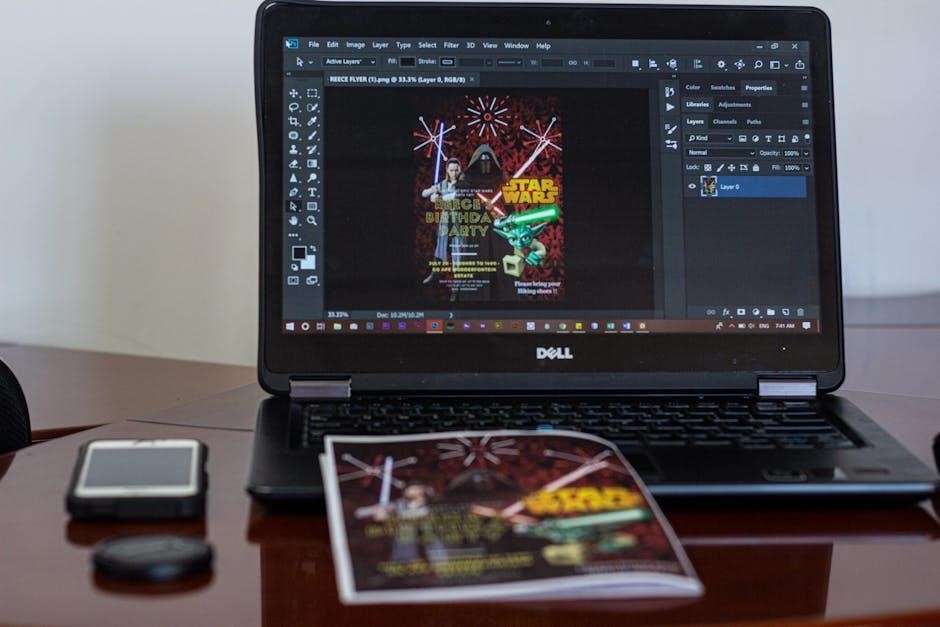
Furthermore‚ PDO files are utilized in educational settings to teach geometric principles and spatial reasoning․ Constructing paper models from PDO templates provides a hands-on learning experience․ They also appear in architectural modeling‚ creating scaled representations of buildings․

Why Convert PDO to PDF?
Converting PDO to PDF ensures wider accessibility and simplifies sharing designs․ PDF format guarantees consistent viewing across different platforms‚ without requiring Pepakura Designer․
PDFs also offer enhanced portability and archiving capabilities for long-term preservation of your papercraft projects․
Portability and Compatibility
PDFs excel in portability‚ a key advantage when dealing with PDO files․ Unlike PDO files‚ which necessitate the installation of Pepakura Designer to open and view‚ PDFs can be opened on virtually any device with a PDF reader․
This universal compatibility extends across operating systems – Windows‚ macOS‚ Linux‚ iOS‚ and Android – ensuring your designs are accessible to anyone‚ regardless of their software setup․ Sharing becomes significantly easier‚ eliminating the hurdle of requiring recipients to download and install specific software․
Furthermore‚ PDFs maintain consistent formatting and appearance‚ regardless of the viewing device․ This is crucial for preserving the integrity of your papercraft patterns‚ ensuring accurate printing and assembly․ The widespread adoption of the PDF format makes it a reliable and convenient choice for distributing your PDO-based creations‚ fostering collaboration and simplifying the sharing process․

Ease of Sharing

Converting PDO files to PDF dramatically simplifies the sharing process․ PDO files require the recipient to have Pepakura Designer installed‚ which can be a barrier to entry․ PDFs‚ however‚ are universally accessible with readily available‚ free PDF readers on almost every computer and smartphone․
This eliminates the need for recipients to download specialized software‚ making collaboration and distribution far more convenient․ PDFs are also easily attached to emails‚ uploaded to websites‚ or shared through cloud storage services‚ streamlining the dissemination of your papercraft designs․
The smaller file size of PDFs‚ compared to some PDO files‚ further enhances sharing efficiency‚ especially when dealing with complex models․ Ultimately‚ converting to PDF removes technical hurdles and promotes broader access to your creative work‚ fostering a wider audience and easier collaboration․
Archiving and Preservation
Converting PDO files to the PDF format is a crucial step for long-term archiving and preservation of your papercraft designs․ Pepakura Designer‚ while popular‚ may become outdated or unsupported in the future‚ potentially rendering PDO files inaccessible․ PDFs‚ as a widely adopted and standardized format‚ offer greater longevity and compatibility․
PDFs ensure your designs remain viewable and usable regardless of future software changes or obsolescence․ This is particularly important for valuable or sentimental models you wish to preserve for years to come․ The format also helps maintain the integrity of the design‚ preventing accidental modifications or corruption․
Creating PDF backups provides a reliable safeguard against data loss and ensures your papercraft creations will be accessible to future generations of enthusiasts and builders‚ securing your creative legacy․

Methods for Converting PDO to PDF
Converting PDO to PDF offers several approaches‚ including utilizing Pepakura Designer’s built-in export function‚ employing virtual PDF printers‚ and leveraging convenient online conversion tools․
Using Pepakura Designer’s Built-in Export Function
Pepakura Designer provides a straightforward method for converting PDO files directly to PDF format․ This is often the most reliable approach‚ ensuring all model details and textures are accurately preserved during the conversion process․ To begin‚ open your PDO file within Pepakura Designer․
Navigate to the “File” menu and select the “Export to PDF” option․ A dialog box will appear‚ allowing you to configure various export settings․ You can choose to include or exclude specific elements‚ such as textures‚ assembly instructions‚ and edge numbers․ Adjust the scaling and page size to your desired specifications․
Carefully review your settings before proceeding‚ as these choices will impact the final PDF output․ Once satisfied‚ click “Save” and choose a location to save your new PDF file․ This method guarantees compatibility and maintains the integrity of your papercraft model’s design․
Utilizing Virtual PDF Printers
Virtual PDF printers offer an alternative method for converting PDO files to PDF‚ especially when direct export options are limited or unavailable․ These software tools function as printers‚ but instead of sending output to a physical printer‚ they create a PDF file․ Popular options include PDFCreator‚ CutePDF Writer‚ and Bullzip PDF Printer․

To use a virtual PDF printer‚ open your PDO file in Pepakura Designer․ Select the “Print” option from the “File” menu․ In the printer selection dialog‚ choose your installed virtual PDF printer․ Configure print settings as needed‚ such as page size and orientation․
Initiate the print process‚ and the virtual printer will prompt you to save the output as a PDF file․ This method is versatile and can work with various applications‚ providing a convenient workaround for PDO to PDF conversion․
Online PDO to PDF Conversion Tools
Online PDO to PDF conversion tools provide a quick and accessible solution‚ eliminating the need for software installation․ Several websites offer this service‚ allowing users to upload their PDO files and download the converted PDF version․ However‚ exercise caution when using these tools‚ as uploading sensitive models to third-party websites may pose security risks․
Popular options include Zamzar and Convertio‚ though availability and functionality can change; Typically‚ you upload the PDO file‚ select PDF as the output format‚ and initiate the conversion process․ The website handles the conversion and provides a download link for the resulting PDF․
These tools are convenient for occasional conversions but may have limitations on file size or conversion quality․ Always review the website’s terms of service and privacy policy before uploading any files․

Step-by-Step Guide: Pepakura Designer Export
Pepakura Designer offers a direct export function to create PDFs․ This method ensures the highest fidelity conversion‚ preserving all model details and textures accurately․
Follow these steps within the software to successfully generate a PDF from your PDO file․
Opening the PDO File
Initiating the conversion process begins with successfully opening your PDO file within Pepakura Designer․ Launch the application and navigate to the “File” menu‚ typically located in the upper-left corner of the software interface․ From the dropdown menu‚ select “Open” and browse your computer’s file system to locate the specific PDO file you wish to convert․
Ensure Pepakura Designer is the default application associated with PDO files for a seamless double-click opening experience․ Once selected‚ the software will load the 3D model and its corresponding 2D unfolding pattern․ Verify that the model displays correctly‚ with all textures and parts visible‚ before proceeding․ Any loading errors or missing elements at this stage may indicate a corrupted PDO file or compatibility issues‚ requiring troubleshooting before continuing with the PDF export․
Properly loaded‚ the PDO file will present the unfolded pattern ready for conversion‚ setting the stage for creating a portable PDF document․
Selecting the Export to PDF Option
With the PDO file successfully opened in Pepakura Designer‚ the next crucial step is selecting the option to export it as a PDF․ Navigate once again to the “File” menu within the application․ This time‚ instead of “Open‚” locate and click on the “Export to PDF” option within the dropdown menu․ This action initiates the PDF conversion process‚ preparing the unfolded model for broader accessibility․
This selection triggers a new window‚ presenting various settings to customize the PDF output․ Before proceeding‚ it’s important to understand these options‚ as they directly impact the final PDF’s quality and usability․ The “Export to PDF” function is specifically designed to preserve the intricate details of the papercraft pattern‚ ensuring accurate reproduction when printed or viewed digitally․
Choosing this option is the core action in transforming the Pepakura project into a universally compatible PDF format․
Configuring PDF Export Settings
Upon selecting “Export to PDF‚” a configuration window appears‚ offering control over the final document’s characteristics․ Key settings include page size‚ ensuring compatibility with standard paper formats like A4 or Letter․ Resolution is also vital; higher resolutions (300 DPI or more) yield sharper prints‚ crucial for detailed papercraft models‚ while lower resolutions create smaller file sizes․
Consider the “Embed Fonts” option to guarantee consistent text rendering across different systems․ The “Include Crease Lines” setting is paramount‚ as these lines guide the folding process․ Experiment with options to include or exclude hidden lines‚ depending on the desired level of clarity․ Previewing the output before finalizing is highly recommended․
Careful adjustment of these settings optimizes the PDF for both visual fidelity and practical use in paper model construction‚ ensuring a successful build․
Troubleshooting Common Conversion Issues
Conversion hiccups can occur‚ manifesting as missing textures‚ incorrect scaling‚ or file corruption․ Addressing these requires checking Pepakura settings and ensuring proper PDF viewer functionality․
Missing Textures or Images
Encountering missing textures or images during PDO to PDF conversion is a common frustration․ This often stems from issues with file paths within the PDO file itself․ Pepakura Designer relies on correctly linked texture files; if these files are moved‚ renamed‚ or deleted after the PDO is created‚ the PDF conversion will likely fail to include them․
To resolve this‚ first verify that all texture files referenced in the PDO file are present in their original locations․ Double-check for typos in file names or incorrect directory paths within Pepakura Designer’s texture settings․ Sometimes‚ re-linking the textures within Pepakura before exporting to PDF can rectify the problem․
Another potential cause is the PDF viewer itself․ Some viewers may not fully support all image formats or may have rendering issues․ Try opening the PDF in a different viewer (Adobe Acrobat Reader‚ for example) to see if the textures appear․ If the textures still remain absent‚ consider re-exporting the PDO to PDF with different settings‚ specifically those related to image compression and embedding․

Incorrect Scaling
Issues with incorrect scaling are frequently observed when converting PDO files to PDF‚ resulting in a model that appears too large or too small in the final output․ This often arises from discrepancies in page size settings during the PDF export process within Pepakura Designer․
To address this‚ carefully review the page size settings before exporting․ Ensure the selected page size accurately reflects the intended scale of the model․ Experiment with different scaling percentages within the export options to achieve the desired size․ A common practice is to print a test page to verify the scaling before committing to the full conversion․
Furthermore‚ confirm that your PDF viewer is set to display the PDF at 100% zoom․ Some viewers automatically scale documents to fit the screen‚ which can distort the perceived size․ If scaling remains incorrect‚ revisit the original 3D model in Pepakura Designer to verify its dimensions and ensure they are accurate․
PDF File Corruption
PDF file corruption during the PDO to PDF conversion process can manifest in various ways‚ from unreadable text and missing graphics to the complete inability to open the file․ This is often linked to software glitches‚ interrupted conversions‚ or issues with the PDF writer itself․
To mitigate this‚ ensure Pepakura Designer is updated to the latest version‚ as updates frequently address bugs that can cause file corruption․ Avoid interrupting the export process; allow it to complete fully without any external interference․ If using a virtual PDF printer‚ verify its integrity and consider trying a different one․
If corruption occurs‚ attempt to re-export the PDO file․ If the problem persists‚ try saving the PDO file under a different name before exporting again․ As a last resort‚ consider utilizing an online conversion tool as a backup method‚ though be mindful of potential privacy concerns when uploading sensitive files․
Related Posts

brian eno oblique strategies pdf
Grab the original Brian Eno Oblique Strategies PDF, a creative toolkit for musicians, designers, and thinkers. Download now and spark your next breakthrough.

standard pipe schedule chart pdf
Need a standard pipe schedule chart PDF ASAP? 2 Bears and Counting has you covered! Downloadable charts for all your plumbing & piping projects – fast & free.

pdf their eyes were watching god
Get instant access to a PDF of Zora Neale Hurston’s classic, *Their Eyes Were Watching God*! Explore Janie Crawford’s journey – download, read, and discuss today!