totem pole animals and their meanings pdf
Totem poles, monumental carvings from the Northwest Coast, vividly depict animals holding deep cultural significance for Indigenous peoples. These artistic expressions aren’t merely decorative; they embody clan histories, spiritual beliefs, and ancestral connections, offering a glimpse into a rich heritage.
Spirit animals guide us, teaching valuable life lessons and fostering self-awareness, while the poles themselves serve as powerful storytellers, preserving traditions for generations. The intricate animal representations on these poles aren’t random; each creature carries specific symbolism.
Carvers, like Xwalacktun, imbue these poles with movement and meaning, showcasing the interconnectedness of all living things. Understanding these animal symbols unlocks a deeper appreciation for the artistry and cultural importance of totem poles.
Historical Context of Totem Poles
Totem poles emerged from a long tradition of wood carving among the Indigenous peoples of the Northwest Coast, dating back centuries before European contact. Initially, artistic expression focused on smaller objects and house posts, gradually evolving into the monumental poles we recognize today. The earliest documented poles, raised in the late 18th and early 19th centuries, reflect a period of increasing trade and interaction with newcomers.
However, the arrival of Europeans significantly impacted the practice, leading to suppression of Indigenous culture and the removal of poles by missionaries and collectors. Despite these challenges, carving continued, adapting to changing circumstances. The poles weren’t static; they were often raised to commemorate important events, such as births, marriages, or deaths, and were frequently rededicated or replaced over time.
The poles represent a complex interplay of artistic skill, social structure, and spiritual belief, serving as visual records of family histories and clan affiliations. They are a testament to the resilience and enduring cultural heritage of the Northwest Coast Indigenous nations.
Geographical Origins: Northwest Coast Indigenous Cultures
Totem poles originate from the cultural traditions of the Indigenous peoples inhabiting the Northwest Coast of North America, specifically encompassing Southeast Alaska, British Columbia, and the coastal regions of Washington state. This area is home to diverse First Nations, including the Haida, Tlingit, Tsimshian, Kwakwaka’wakw, and Nuu-chah-nulth, each with unique artistic styles and cultural practices.
The abundance of towering cedar trees in this region provided the primary material for pole construction, while the rich marine environment influenced the frequent depiction of animals like salmon, orcas, and eagles. These cultures shared similar social structures, centered around clans and kinship systems, which are reflected in the symbolism found on the poles.
Geographical proximity and intertribal trade facilitated the exchange of artistic ideas and techniques, contributing to the evolution of totem pole carving. The poles are deeply rooted in the specific landscapes and lifeways of these coastal communities.
The Role of Totem Poles in Indigenous Societies
Totem poles served multifaceted roles within Northwest Coast Indigenous societies, extending far beyond mere artistic expression. They functioned as powerful visual representations of clan lineage, crests, and historical narratives, publicly displaying a family’s rights, privileges, and connections to the spiritual world.
These poles commemorated significant life events, such as births, marriages, and deaths, and honored ancestors, often featuring animal spirits associated with specific individuals or families. Mortuary poles, in particular, were erected to hold the remains of esteemed individuals, facilitating their transition to the afterlife.
Furthermore, totem poles played a role in welcoming visitors and asserting territorial claims, acting as symbols of hospitality and cultural identity. The carving and raising of a pole were communal events, reinforcing social bonds and celebrating cultural heritage.
Common Animals Featured on Totem Poles and Their Symbolism
Northwest Coast totem poles frequently feature iconic animals—raven, eagle, bear, wolf, and salmon—each embodying unique qualities and spiritual significance within Indigenous belief systems.
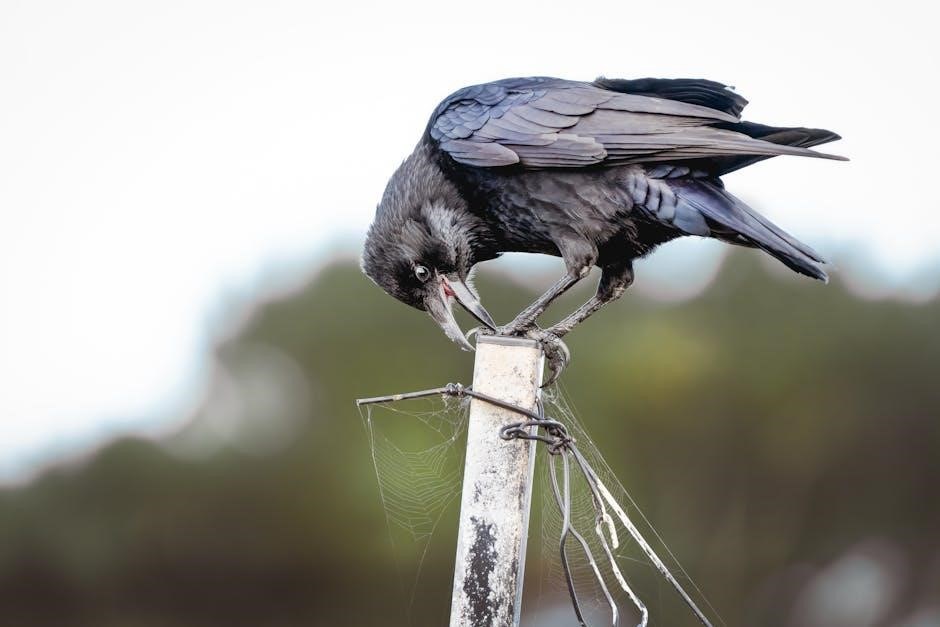
Raven: The Trickster and Creator
Raven holds a prominent position in Northwest Coast Indigenous cultures, often depicted on totem poles as a complex figure embodying both mischievousness and creative power. Frequently portrayed as a trickster, Raven isn’t simply a villain; this role is integral to their function as a cultural hero.
According to oral traditions, Raven is responsible for bringing light to the world, liberating the sun, moon, and stars from a selfish chief. This act of liberation demonstrates Raven’s intelligence and willingness to challenge established order for the benefit of humanity. The trickster aspect allows for societal norms to be questioned and reshaped.
On totem poles, Raven symbolizes transformation, knowledge, and the power of innovation. Their presence acknowledges the importance of adaptability and cleverness in navigating life’s challenges. The raven’s depiction serves as a reminder of the interconnectedness of creation and the constant potential for change.
Eagle: Power, Freedom, and Spiritual Connection
The Eagle is a highly revered animal across numerous Northwest Coast Indigenous cultures, frequently featured on totem poles as a symbol of immense power, freedom, and a profound spiritual connection to the divine. Soaring to great heights, the eagle embodies a perspective beyond the mundane, representing foresight and clarity of vision.
Representing strength and courage, the eagle is often associated with leadership and authority. Its keen eyesight symbolizes the ability to perceive truth and see through deception. Furthermore, the eagle acts as a messenger between the human world and the spirit realm, facilitating communication with higher powers.
On totem poles, the eagle’s placement signifies a connection to ancestral spirits and a commitment to upholding noble values. The majestic bird serves as a potent reminder of personal power and the importance of living with integrity and grace.
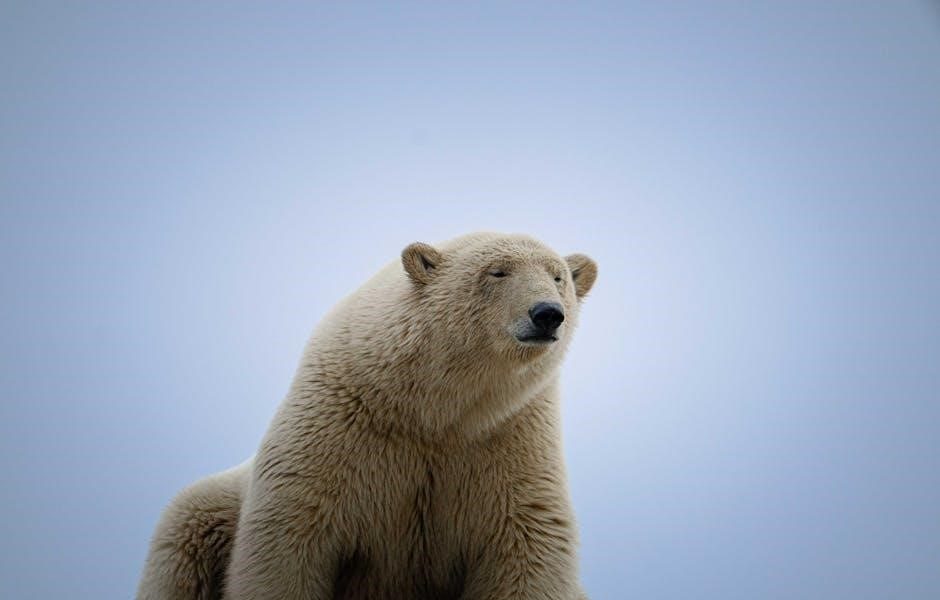
Bear: Strength, Protection, and Introspection
The Bear holds a position of significant respect within Northwest Coast Indigenous cultures, frequently depicted on totem poles as a powerful emblem of strength, courage, and unwavering protection. Bears are seen as guardians, both physically and spiritually, offering a sense of security and resilience.
Beyond its physical prowess, the bear also symbolizes introspection and a deep connection to the natural world. Its habit of hibernation represents a period of renewal and self-discovery, encouraging individuals to look inward and confront their inner selves.
On totem poles, the bear often signifies clan lineage and ancestral ties, representing the enduring strength and protective spirit of family. The bear’s presence serves as a reminder of the importance of courage, self-awareness, and respecting the balance of nature.
Wolf: Loyalty, Family, and Guidance
The Wolf is a prominent figure in the art and mythology of Northwest Coast Indigenous peoples, frequently appearing on totem poles as a symbol of fierce loyalty, strong family bonds, and intuitive guidance. Wolves are highly social animals, and their pack mentality represents the importance of community and cooperation.
Representing unwavering devotion, the wolf embodies the values of faithfulness and commitment within familial relationships. It’s often seen as a teacher, offering wisdom and direction to those who seek it, guiding them along their life path with clarity and purpose.
On totem poles, the wolf’s image signifies a connection to ancestral spirits and a deep understanding of the natural world. It serves as a reminder of the power of unity, the importance of trust, and the enduring strength found within family.
Salmon: Abundance, Determination, and Life Cycle
The Salmon holds a central place in the cultures of the Northwest Coast Indigenous peoples, appearing frequently on totem poles as a powerful symbol of abundance, perseverance, and the cyclical nature of life. Revered as a vital food source, the salmon’s annual return to the rivers was – and remains – a cornerstone of sustenance and spiritual well-being.
Representing incredible determination, the salmon relentlessly battles upstream to spawn, embodying resilience and the unwavering pursuit of goals. This arduous journey mirrors the challenges faced in life and the importance of steadfastness.
On totem poles, the salmon’s depiction signifies prosperity, renewal, and the interconnectedness of all living things. It’s a reminder of the continuous flow of life, death, and rebirth, and the necessity of respecting the natural world.
Killer Whale (Orca): Family, Communication, and Power
The Killer Whale, or Orca, commands immense respect and reverence among the Northwest Coast Indigenous cultures, frequently featured prominently on totem poles. This majestic creature embodies a complex tapestry of symbolism, representing family, communication, and profound power – both physical and spiritual.
Orcas live in tightly-knit matrilineal pods, highlighting the importance of family bonds and intergenerational knowledge. Their sophisticated communication methods, utilizing clicks, whistles, and pulsed calls, symbolize effective interaction and understanding.
On totem poles, the Orca’s depiction signifies leadership, protection, and the ability to navigate life’s challenges with grace and strength. It’s a reminder of the interconnectedness within the pod, mirroring the importance of community and cooperation. The Orca’s presence is a testament to the enduring power of nature.
Less Common, But Significant Animal Representations
Beyond the iconic figures, totem poles showcase diverse creatures like frogs, owls, spiders, and hawks, each imbued with unique spiritual meanings and symbolic weight.
Frog: Transformation, Cleansing, and Communication
Frogs, often depicted on totem poles, represent significant transitions and adaptability, mirroring their life cycle from aquatic tadpole to land-dwelling amphibian. This transformation symbolizes personal growth, renewal, and the ability to navigate life’s changes with grace and resilience.
Historically, frogs were associated with cleansing rituals, believed to purify both physically and spiritually. Their connection to water further reinforces this association, as water is often seen as a purifying element. The frog’s presence on a pole could signify a desire for healing or a release from negativity.
Furthermore, frogs are considered skilled communicators, bridging the gap between the earthly and spiritual realms. They are believed to possess the ability to receive messages from ancestors and deliver them to the living. This communicative aspect highlights the frog’s role as a messenger and a facilitator of understanding.
Representations of frogs on totem poles, though less frequent than other animals, carry a potent message of change, purification, and enhanced communication with the spirit world.
Owl: Wisdom, Intuition, and Prophecy
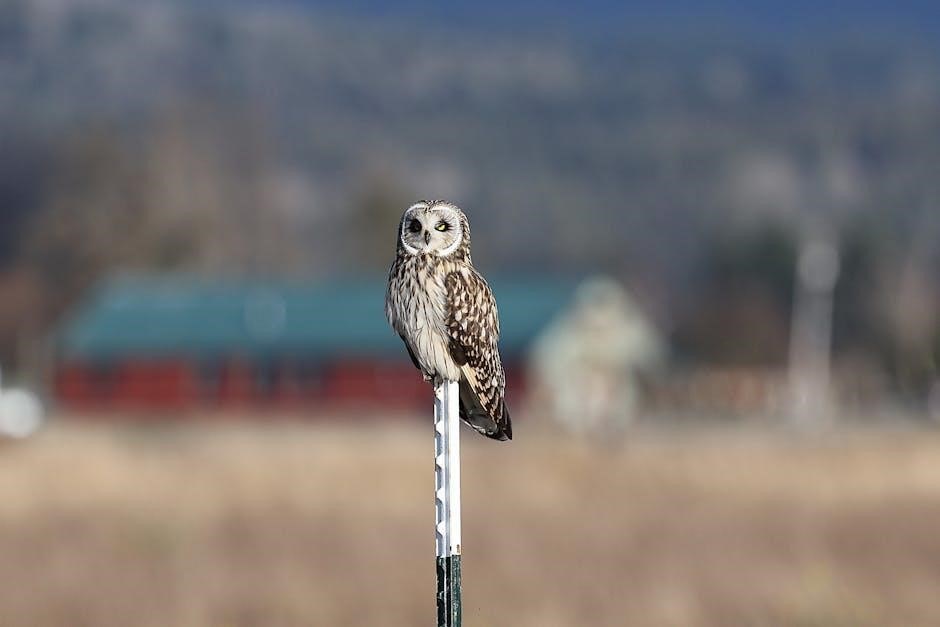
Owls, frequently appearing in Indigenous art and storytelling, embody profound wisdom, keen intuition, and the ability to perceive hidden truths. Their nocturnal nature links them to the unseen world, granting them access to knowledge unavailable during daylight hours. On totem poles, the owl signifies a deep connection to inner knowing and spiritual insight.
Traditionally, owls were considered messengers from the spirit realm, capable of foretelling future events and offering guidance to those who sought it. Their silent flight and penetrating gaze symbolized the ability to see beyond the surface and discern the underlying realities of a situation.
The owl’s presence on a totem pole often represents a guardian spirit, protecting individuals and communities from negative energies and offering clarity in times of uncertainty. It encourages introspection and the development of one’s intuitive abilities.
Representations of owls serve as a reminder to trust one’s instincts and embrace the power of inner wisdom.
Spider: Creativity, Destiny, and Interconnectedness
Spiders, often associated with shadowy realms, hold surprisingly positive symbolism within Northwest Coast Indigenous cultures, representing creativity, destiny, and the intricate web of life. Unlike Western perceptions, spiders aren’t viewed as menacing but as skilled weavers of fate, crafting the patterns of existence.
Their webs symbolize interconnectedness – the idea that all things are linked and that every action has a ripple effect. The spider embodies the power to manifest one’s desires and shape one’s own destiny through careful planning and skillful execution.
On totem poles, the spider signifies artistic talent, ingenuity, and the ability to create something beautiful and meaningful from seemingly nothing. It encourages embracing one’s creative potential and recognizing the delicate balance of the universe.
Spiders remind us of the power within to weave our own paths.
Hawk: Awareness, Vision, and Opportunity
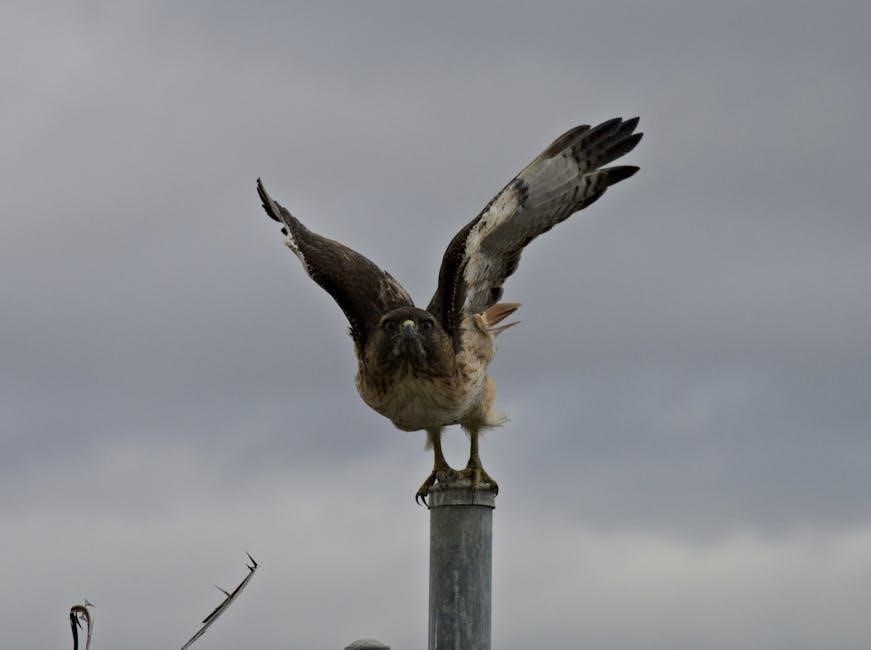
The hawk, a majestic bird of prey, embodies keen awareness, far-reaching vision, and the seizing of opportunity within the symbolism of Northwest Coast totem poles. Representing a messenger between the earthly and spiritual realms, the hawk possesses the ability to see beyond the surface and perceive hidden truths.
Its soaring flight symbolizes freedom, perspective, and the courage to rise above challenges. The hawk’s sharp eyesight signifies clarity of thought and the ability to focus on one’s goals with unwavering determination.
On totem poles, the hawk often appears as a protector, guiding individuals towards positive change and new beginnings. It encourages embracing new perspectives and recognizing the opportunities that lie ahead.
The hawk serves as a powerful reminder to trust your intuition and embrace your inner vision.
Types of Totem Poles and Animal Placement
Totem poles vary—house front poles display clan symbols, mortuary poles honor the deceased, and memorial poles remember individuals, each strategically featuring animal representations.
House Front Poles: Animals as Clan Symbols
House front poles, prominently positioned before family homes, served as declarations of identity and status within Northwest Coast Indigenous societies. These poles weren’t simply artistic displays; they were visual representations of a clan’s lineage, rights, and ancestral stories, powerfully communicating their heritage to all who approached;
Animals featured on these poles weren’t chosen arbitrarily. Each creature held specific significance to the clan, acting as a crest or emblem representing their connection to the natural world and their spiritual beliefs. The placement of these animals was deliberate, often following a hierarchical order reflecting the clan’s social structure and the importance of each ancestor.
For example, a pole might feature a raven at the top, symbolizing the clan’s creation story, followed by a bear representing strength and protection, and a salmon signifying abundance and sustenance. These animal figures weren’t merely depictions; they were considered living embodiments of the clan’s ancestors, imbued with power and spiritual energy.
Mortuary Poles: Honoring the Deceased and Their Animal Spirits
Mortuary poles, erected to commemorate high-ranking individuals after their passing, served as poignant tributes and facilitated the transition of their spirits to the afterlife. Unlike house front poles focused on clan identity, these poles centered on the life and legacy of the deceased, showcasing their personal crests and achievements.
Animal representations on mortuary poles were particularly significant, often depicting the deceased’s personal totem animal or those associated with their lineage and spiritual power. These animals weren’t merely decorative; they acted as conduits, assisting the spirit’s journey and ensuring its continued connection to the living world.
The placement of figures, including the deceased’s crest animals, often followed a specific order, reflecting their status and the stories associated with their life. Carving a mortuary pole was a deeply respectful act, honoring the individual and acknowledging their enduring presence within the community.
Memorial Poles: Remembering Individuals and Their Totem Animals
Memorial poles, distinct from mortuary poles, were erected to honor individuals, often chiefs or respected members of the community, but not necessarily immediately following their death. These poles served as lasting reminders of their contributions and maintained their presence within the collective memory of the people.
Totem animals played a crucial role in these commemorations, frequently featuring prominently on the pole to represent the individual’s lineage, personal qualities, or significant life events. The selection of these animals wasn’t arbitrary; they held deep symbolic meaning connected to the person being honored.
Unlike mortuary poles focused on spirit journeys, memorial poles emphasized the individual’s enduring legacy and their continued influence on the community. They were powerful statements of respect and remembrance, ensuring their stories were passed down through generations.
Welcome Poles: Extending Hospitality and Displaying Clan Affiliations
Welcome poles, strategically placed at the entrances of villages or longhouses, served as grand gestures of hospitality, inviting visitors and signaling peaceful intentions. These poles weren’t merely decorative; they were powerful visual statements of a community’s identity and welcoming spirit.
Clan affiliations were prominently displayed through the carved animal figures adorning these poles, immediately communicating the host community’s lineage and social structure to arriving guests. The specific animals chosen held significant meaning, representing the clan’s crests and ancestral connections.
These poles functioned as visual introductions, establishing a sense of kinship and mutual respect. They demonstrated the community’s pride in its heritage and its willingness to engage in peaceful exchange with outsiders, fostering positive relationships.
Understanding Animal Symbolism in a Modern Context
Today, animal symbolism from totem poles resonates as spirit animals, offering guidance and self-discovery. Recognizing these ancient meanings fosters respect and personal connection to nature’s wisdom.
Spirit Animals and Personal Totems
The concept of spirit animals, deeply intertwined with totem pole symbolism, suggests that each individual has an animal guide offering protection, wisdom, and direction throughout life’s journey. These aren’t chosen, but rather revealed through introspection, dreams, or repeated encounters.
Totem poles showcase animals representing clan affiliations, but the idea extends to personal totems – animals resonating with an individual’s character and life path. Identifying your personal totem involves observing which animals consistently appear in your life or evoke strong emotional responses.
This connection isn’t about literally being the animal, but embodying its qualities. For example, someone identifying with the raven might embrace creativity and adaptability, while a bear totem could signify strength and introspection. Recognizing these animal guides provides valuable self-awareness and encourages alignment with one’s authentic self.
Ultimately, exploring spirit animals and personal totems offers a modern interpretation of ancient Indigenous wisdom, fostering a deeper connection to the natural world and inner guidance.
Interpreting Animal Messages and Guidance
Once you’ve identified a potential spirit animal, understanding its message requires careful observation and introspection. Consider the context of its appearances – where did you encounter it, and what were you feeling at the time? These details offer crucial clues.
Referencing the traditional symbolism associated with the animal, as depicted on totem poles, provides a starting point. However, remember that personal interpretations are equally valid. The message isn’t always literal; it may be metaphorical or symbolic.
For instance, a recurring spider sighting might signify creativity and weaving your destiny, reminding you to focus on your goals. Conversely, an eagle appearing could signal a need for broader perspective and freedom from limitations.
Trust your intuition and allow the animal’s energy to guide you. Pay attention to recurring themes or patterns in your life, as these may be amplified by your spirit animal’s influence.
The Importance of Cultural Sensitivity and Respect
Engaging with totem pole animals and their meanings demands profound cultural sensitivity and respect for the Indigenous communities who originated this art form. These aren’t simply aesthetic symbols; they are sacred representations of history, spirituality, and ancestral connections.
Avoid appropriating imagery or symbolism without understanding its context and significance. Learning directly from Indigenous sources – museums, cultural centers, and artists – is crucial. Acknowledge the deep spiritual weight these animals carry.
Recognize that interpretations can vary between nations and individuals. Generalizations should be avoided, and seeking guidance from knowledgeable community members is always recommended. The Lummi Nation’s journey with a carved pole exemplifies protecting sacred sites.
Approach this knowledge with humility and a willingness to learn, honoring the traditions and perspectives of the Northwest Coast Indigenous cultures.
Resources for Further Learning
Explore museums, cultural centers, and online databases for in-depth knowledge. Scholarly articles and books on Northwest Coast Indigenous art offer valuable insights into these captivating traditions.
Museums and Cultural Centers
Immerse yourself in the world of totem poles by visiting institutions dedicated to preserving and showcasing Northwest Coast Indigenous art and culture. The Museum of Anthropology at the University of British Columbia boasts a remarkable collection, offering extensive exhibits and educational programs focused on totem poles and their associated symbolism.
Similarly, the Royal British Columbia Museum in Victoria provides a comprehensive overview of the region’s Indigenous heritage, including detailed displays of totem poles and artifacts. For those in the United States, the Burke Museum at the University of Washington in Seattle features significant collections from Northwest Coast cultures.
These centers often host workshops, guided tours, and cultural events, providing opportunities to learn directly from Indigenous artists and knowledge keepers. Exploring these resources allows for a deeper understanding of the stories and meanings embedded within each animal representation on the poles, enriching your appreciation for this unique art form.
Online Databases and Scholarly Articles
Delve deeper into the symbolism of totem pole animals through accessible online resources and academic research. Several digital archives, like those maintained by universities and cultural institutions, offer high-resolution images of totem poles alongside detailed descriptions and interpretations of the featured creatures.
Scholarly articles, often found through databases like JSTOR or Google Scholar, provide in-depth analyses of the cultural context and artistic techniques employed in totem pole carving. Searching for keywords such as “Northwest Coast Indigenous art,” “totem pole symbolism,” or specific animal names (e.g., “Raven totem pole”) will yield relevant results.
Furthermore, websites dedicated to Indigenous cultures often feature articles and educational materials created in collaboration with Indigenous communities, ensuring respectful and accurate representation. These resources offer a valuable complement to museum visits and provide a pathway for continued learning.
Books on Northwest Coast Indigenous Art and Culture
Expand your understanding of totem pole animals and their profound meanings through comprehensive literature dedicated to Northwest Coast Indigenous art and culture. Numerous books explore the history, symbolism, and artistic techniques behind these monumental carvings, offering detailed insights into the beliefs and traditions they represent.
Look for publications authored by or in collaboration with Indigenous scholars and artists to ensure authentic perspectives and respectful interpretations. Titles focusing specifically on totem poles often include detailed analyses of animal representations and their associated stories.
Beyond totem poles, explore broader works on Northwest Coast Indigenous mythology, cosmology, and social structures to gain a holistic understanding of the cultural context that informs the symbolism found within these powerful artistic expressions; These resources provide invaluable depth and nuance.
Related Posts

standard pipe schedule chart pdf
Need a standard pipe schedule chart PDF ASAP? 2 Bears and Counting has you covered! Downloadable charts for all your plumbing & piping projects – fast & free.
pdf their eyes were watching god
Get instant access to a PDF of Zora Neale Hurston’s classic, *Their Eyes Were Watching God*! Explore Janie Crawford’s journey – download, read, and discuss today!

matthew desmond evicted pdf
Dive into Matthew Desmond’s groundbreaking ‘Evicted’ with our convenient PDF! Understand housing insecurity & its impact. Download, read, & share this essential resource now.