singer stylist 7258 sewing machine manual
Singer Stylist 7258 Sewing Machine Manual: A Comprehensive Guide
This manual provides detailed instructions for the Singer Stylist 7258, offering 38 to 84 pages of guidance, available in PDF format for convenient access and usage.
Welcome to the world of sewing with the Singer Stylist 7258! This sewing machine is designed for both beginners and experienced sewists, offering a versatile range of features to tackle various projects. This comprehensive guide, available as a PDF document – ranging from 38 to 84 pages – will walk you through every aspect of your machine, ensuring a smooth and enjoyable sewing experience.
Whether you’re crafting garments, quilting, or working on home décor, the Singer Stylist 7258 provides the power and precision you need; Resources like downloadable manuals and parts lists are readily available online, facilitating easy maintenance and repair. This manual will cover everything from initial setup and threading to advanced techniques and troubleshooting, empowering you to unlock the full potential of your Singer 7258. Expect detailed instructions and helpful diagrams to guide you every step of the way.
Machine Features and Specifications
The Singer Stylist 7258 boasts a robust set of features designed for diverse sewing needs. While specific detailed specifications aren’t explicitly listed in the provided snippets, the availability of a comprehensive manual – ranging from 38 to 84 pages in PDF format – suggests a machine with considerable functionality. Expect a variety of stitch options, catering to both basic and advanced projects.
The machine is supported by readily available parts and accessories, ensuring longevity and ease of maintenance. Online resources offer downloadable manuals and parts lists, streamlining repairs and replacements. The Stylist 7258 is clearly positioned as a versatile machine, suitable for garment construction, quilting, and home décor projects. Further details regarding stitch length, width, and speed will be found within the complete user manual, providing a thorough understanding of its capabilities.
Unboxing and Initial Setup
Upon receiving your Singer Stylist 7258, carefully inspect the box for any signs of damage during shipping. Once opened, verify that all included accessories are present. The comprehensive manual, available in PDF format (38-84 pages), will guide you through the initial setup process. This includes attaching the power cord, installing the bobbin case, and threading the upper and lower threads correctly.
Before beginning your first project, familiarize yourself with the machine’s basic components and controls. The manual provides detailed diagrams and instructions for proper setup. Ensure the machine is placed on a stable, level surface. Downloadable manuals and readily available parts support a smooth unboxing experience. Proper initial setup is crucial for optimal performance and longevity of your new sewing machine.
Understanding the Machine Components
This section details the Singer Stylist 7258’s parts, front and rear, alongside the bobbin winding system and thread tension controls, as outlined in the manual.
Identifying Key Parts: Front View
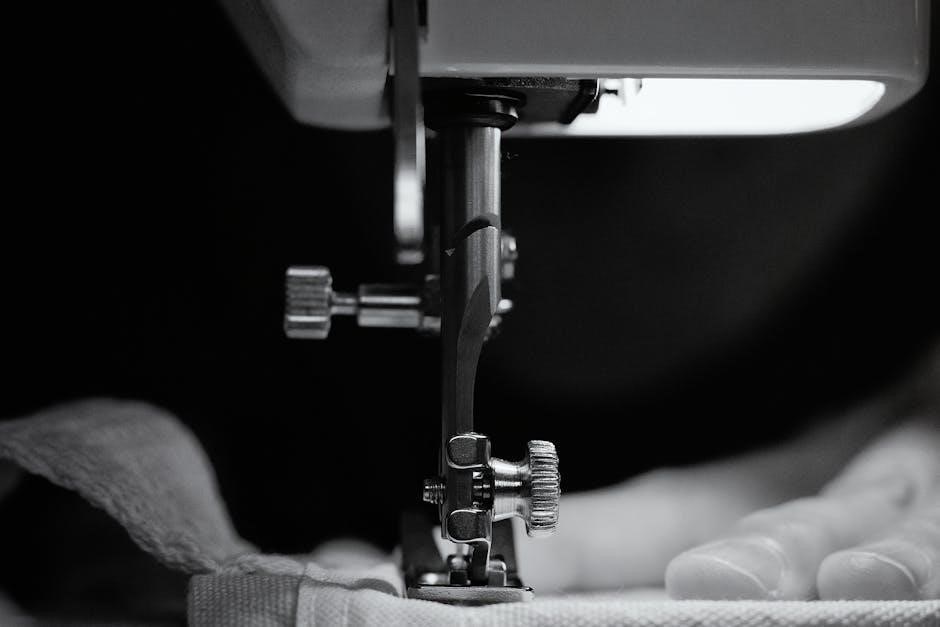
The front view of the Singer Stylist 7258 reveals several crucial components essential for operation. Firstly, the power switch, typically located on the right side, controls the machine’s functionality. Secondly, the handwheel, positioned to the right, allows for manual control of the needle’s movement, useful for precise stitching or maneuvering fabric.
Next, the stitch selection dial, prominently displayed, enables users to choose from a variety of stitch patterns, ranging from straight stitches to decorative options. Furthermore, the stitch length and width dials, often adjacent to the stitch selection dial, provide control over the dimensions of the chosen stitch. The presser foot lever, located behind the presser foot, raises and lowers the foot, securing or releasing the fabric.
Additionally, the needle plate, a metal plate beneath the presser foot, features markings to guide fabric alignment and stitch placement. The spool pin, situated at the top of the machine, holds the spool of thread. Finally, the bobbin cover, protecting the bobbin case, is easily accessible for bobbin changes. Understanding these front-facing elements is vital for effective machine use, as detailed in the comprehensive manual.
Identifying Key Parts: Rear View
The rear view of the Singer Stylist 7258 showcases components critical for machine maintenance and functionality. Firstly, the main power connector, typically located at the back, facilitates the electrical connection. Secondly, the handwheel tension disc, often accessible from the rear, allows for adjustments to the handwheel’s resistance.
Next, the bobbin winder assembly, positioned on the right side, is responsible for evenly winding thread onto the bobbin. Furthermore, the tension dial access point, usually found near the bobbin winder, enables fine-tuning of the thread tension. The machine’s casing provides access points for internal lubrication, as detailed in the manual.
Additionally, the motor housing, protecting the internal motor, is a significant feature on the rear. Finally, various access panels may be present for servicing and repairs. Understanding these rear-facing elements is crucial for proper machine upkeep and troubleshooting, ensuring longevity and optimal performance, as outlined in the Singer Stylist 7258’s comprehensive guide.
Bobbin Winding System
The Singer Stylist 7258 features a bobbin winding system designed for efficiency and ease of use. Initially, the empty bobbin is placed onto the bobbin winder spindle, ensuring it clicks securely into place. Subsequently, the thread is guided from the spool, through the thread guides, and onto the bobbin.
Next, the thread is wrapped around the bobbin several times manually to initiate the winding process. Then, the bobbin winder is engaged by pushing the bobbin winder lever to the right. The machine automatically winds the thread onto the bobbin, stopping when full.
Importantly, consistent thread tension is vital for even winding. Finally, once complete, disengage the lever and remove the fully wound bobbin. The manual details proper thread path and tension adjustments for optimal results. Correct bobbin winding is essential for consistent stitch quality and preventing threading issues, as highlighted in the Singer Stylist 7258 guide.
Thread Tension Control
The Singer Stylist 7258 utilizes a thread tension dial to regulate the pressure on the upper thread, crucial for balanced stitch formation. Proper tension ensures the top and bobbin threads interlock correctly within the fabric. Adjusting the dial – typically numbered – impacts stitch appearance and prevents issues like looping or puckering.
Higher numbers increase tension, pulling the upper thread tighter, while lower numbers reduce it. Generally, a balanced tension creates even stitches on both sides of the fabric. The manual recommends testing tension on a scrap fabric piece, similar to the project material.
Factors influencing tension include thread type, fabric weight, and needle size. Incorrect tension can lead to thread breakage or uneven stitches. The Singer Stylist 7258 guide provides detailed troubleshooting steps for common tension problems, emphasizing the importance of incremental adjustments for optimal sewing performance.
Basic Sewing Operations
This section details fundamental techniques like threading, bobbin winding/insertion, and executing straight and zigzag stitches with your Singer Stylist 7258.
Threading the Machine
Proper threading is crucial for optimal sewing performance with your Singer Stylist 7258. Begin by ensuring the machine is turned off and the presser foot is raised. Place the spool of thread on the spool pin, securing it with a spool cap if necessary.
Next, guide the thread through the first thread guide, then down and around the tension disc – this is vital for correct tension. Continue threading through the take-up lever, ensuring it’s in its highest position;
Afterward, lead the thread down through the needle clamp and finally, thread the needle from front to back. A needle threader can be incredibly helpful for this step. Always double-check that the thread is securely seated in the needle and tension disc before beginning to sew. Incorrect threading will lead to inconsistent stitches and potential machine malfunctions.
Winding and Inserting the Bobbin
Bobbin winding on the Singer Stylist 7258 is a straightforward process. First, place the spool of thread on the spool pin. Then, guide the thread through the designated bobbin winding tension disc. Next, wrap the thread several times around the empty bobbin, ensuring a secure start.
Engage the bobbin winding mechanism by pushing the bobbin spindle to the right. Press the foot pedal gently to begin winding; the machine will automatically stop when the bobbin is full. Once wound, disengage the mechanism and remove the bobbin.
To insert the bobbin, open the bobbin cover. Depending on your machine’s configuration, the bobbin may be front-loading or top-loading. Ensure the thread unwinds in the correct direction as indicated by the diagram on the machine. Finally, guide the thread through the tension slot before closing the bobbin cover.
Straight Stitching
Achieving a perfect straight stitch on the Singer Stylist 7258 begins with proper threading and bobbin insertion. Select a straight stitch setting on the stitch selection dial, typically indicated by a straight line. Adjust the stitch length according to your fabric and desired seam allowance – a standard length is around 2.5mm.
Place your fabric under the presser foot, aligning the edge with the desired seam line. Lower the presser foot and gently press the foot pedal to begin sewing. Guide the fabric gently; avoid pulling or pushing it, allowing the machine to feed it evenly.
Maintain a consistent speed for a uniform stitch. Backstitch at the beginning and end of the seam to secure the stitches. Regularly check the stitch quality and adjust tension if needed for optimal results.
Zigzag Stitching
The Singer Stylist 7258’s zigzag stitch offers versatility for various applications, from finishing raw edges to creating decorative designs. Select the zigzag stitch setting on the stitch selection dial, identifiable by its zigzag pattern. Adjust both the stitch width and length using the corresponding dials.
A narrower width is suitable for reinforcing edges, while a wider width creates bolder decorative effects. Shorter stitch lengths are ideal for curves and delicate fabrics, while longer lengths work well on heavier materials. Practice on scrap fabric to determine the optimal settings for your project.
Guide the fabric smoothly under the presser foot, maintaining a consistent speed. Zigzag stitching is excellent for preventing fabric fraying and adding a professional finish to seams.
Advanced Stitching Techniques
Explore buttonholes, zipper insertion, overlock options, and decorative stitches with your Singer Stylist 7258, expanding your sewing capabilities and project possibilities.
Buttonhole Stitching
The Singer Stylist 7258 excels in creating professional-looking buttonholes with its automated one-step buttonhole feature. Begin by selecting the appropriate buttonhole stitch on the machine; the manual details specific stitch numbers for various buttonhole sizes. Accurately measure the button you intend to use, as this dictates the buttonhole length.
Attach the buttonhole foot, ensuring it clicks securely into place. Position your fabric, aligning the buttonhole placement mark with the designated guide on the needle plate. Lower the presser foot and begin stitching – the machine automatically sews the buttonhole outline.
Upon completion of the outline, the machine stops; carefully cut the fabric within the stitched outline, avoiding any accidental clipping of the stitches. The manual provides clear diagrams illustrating this process. Practice on scrap fabric first to master the technique and achieve consistently neat buttonholes. Remember to consult the manual for troubleshooting tips if encountering issues.
Zipper Insertion
The Singer Stylist 7258 simplifies zipper insertion with specialized presser feet and clear guidance in the manual. Begin by selecting the appropriate zipper foot – either the standard or invisible zipper foot, depending on the zipper type. Position the zipper face down against the fabric, aligning the zipper teeth carefully with the fabric edge.
Lower the presser foot and stitch close to the zipper teeth, using a zipper stitch or a standard straight stitch with a slightly adjusted needle position. The manual illustrates precise stitch placement for optimal results. Backstitch at the beginning and end of the zipper insertion to secure the stitches.
Repeat the process on the opposite side of the zipper, ensuring both sides are aligned and evenly stitched. Practice on scrap fabric to refine your technique and achieve a professional finish. Consult the manual for troubleshooting tips if experiencing difficulties with zipper alignment or stitch quality.
Overlock Stitching (if applicable)
The Singer Stylist 7258 may offer overlock-style stitching capabilities, simulating a serged edge for a professional finish, though it isn’t a true serger. The manual details how to utilize the available overlock stitches, often achieved using a zigzag setting with specific width and length adjustments; Select the appropriate stitch and test on scrap fabric to ensure desired coverage and neatness.
Proper thread tension is crucial for effective overlock stitching; the manual provides guidance on adjusting tension for different fabric types. Guide the fabric edge along the stitch path, allowing the stitch to encase the raw edge and prevent fraying. Consistent speed and fabric feeding are key to achieving a uniform overlock finish.
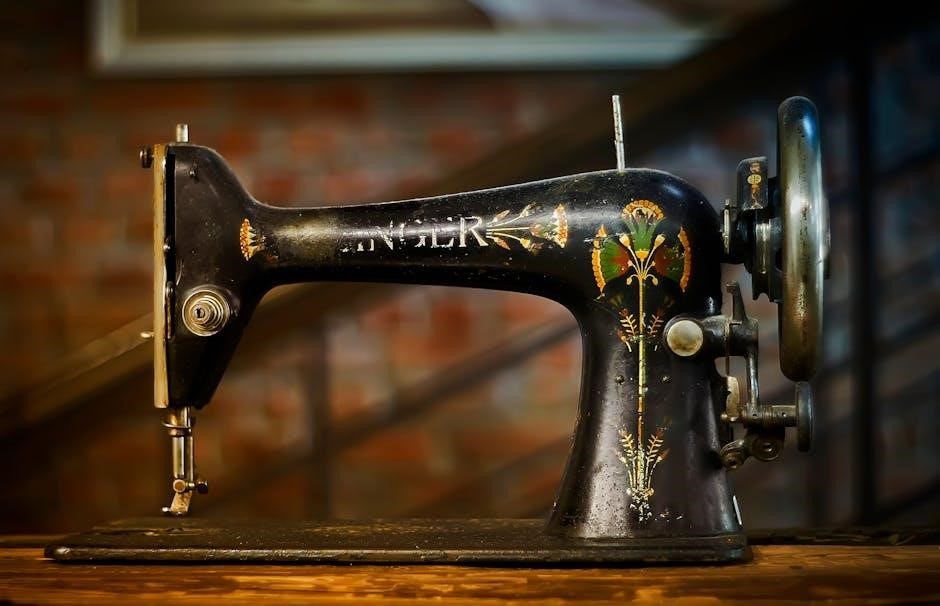
While not a replacement for a dedicated serger, the Singer Stylist 7258’s overlock stitches offer a convenient solution for basic edge finishing on various projects.
Decorative Stitching
The Singer Stylist 7258 boasts a range of decorative stitches, enhancing projects with unique embellishments. The manual illustrates each stitch pattern and provides recommended uses, from simple outlining to intricate designs. Stitch selection is typically done via a dial or button interface, allowing easy access to various options.
Experiment with different thread colors and weights to maximize the visual impact of decorative stitches. Stabilizers are often recommended, particularly with delicate fabrics, to prevent puckering or distortion. Adjust stitch length and width according to the desired effect and fabric type, always testing on scrap material first.
The manual guides users through creating decorative elements, monograms, and personalized accents. Explore combining different stitches for layered effects and unique textures, unlocking the machine’s creative potential.

Maintenance and Troubleshooting
Regular cleaning and lubrication, as detailed in the manual, ensure optimal performance. Troubleshooting sections address common issues like threading and stitching problems.
Cleaning the Machine
Maintaining a clean sewing machine is crucial for its longevity and performance. Dust, lint, and oil buildup can cause malfunctions and affect stitch quality. The Singer Stylist 7258 manual emphasizes regular cleaning. Begin by disconnecting the power supply for safety. Use a soft brush, often included with the machine, to remove lint from the bobbin area, feed dogs, and around the needle plate.
A small vacuum cleaner with a brush attachment can also be helpful for removing stubborn debris. Gently wipe down the exterior surfaces with a damp cloth. Avoid using harsh chemicals or abrasive cleaners, as these can damage the machine’s finish. Pay particular attention to the areas around the tension discs and the needle bar, ensuring they are free from lint and oil residue. Consistent cleaning, as outlined in the manual, will keep your Singer Stylist 7258 running smoothly for years to come.
Oil Points and Lubrication
Proper lubrication is essential for the smooth operation of your Singer Stylist 7258. The manual details specific oil points requiring attention. Always use sewing machine oil, never household oil, as it’s formulated for these delicate mechanisms. Before oiling, disconnect the power. Locate the designated oil points – typically around the bobbin area, the hook assembly, and the motor shaft.
Apply a small drop of oil to each point, ensuring it penetrates the moving parts. Avoid over-oiling, as excess oil can attract lint and create a sticky residue. After oiling, run the machine briefly to distribute the lubricant. Regular oiling, as per the manual’s recommendations, minimizes friction, reduces wear and tear, and ensures consistent performance. Ignoring lubrication can lead to increased noise, erratic stitching, and ultimately, machine failure.
Troubleshooting Common Issues: Threading Problems
Threading issues are frequent with sewing machines, and the Singer Stylist 7258 manual provides solutions. If the upper thread breaks, re-thread the entire machine, ensuring the presser foot is up, which opens the tension discs. Check the spool for proper placement and that the thread isn’t snagged. A lower thread issue often indicates incorrect bobbin insertion or winding. Verify the bobbin is wound evenly and inserted correctly, following the manual’s diagram.
If the thread bunches, it could be due to improper tension. Adjust the tension dial, testing on scrap fabric after each adjustment. Ensure the needle is correctly inserted and of the appropriate size for the fabric. Consult the manual’s needle selection guide. Persistent problems may indicate a need for cleaning, removing lint buildup that obstructs thread flow.
Troubleshooting Common Issues: Stitching Problems
Stitching issues with the Singer Stylist 7258 often stem from a few key areas. Skipped stitches can indicate a bent or dull needle; replace it with a new one of the correct type and size, referencing the manual’s needle guide. Uneven stitches frequently point to incorrect tension – adjust the tension dial incrementally, testing on scrap fabric. If the fabric puckers, loosen the tension. Tight, looping stitches suggest increasing tension.
Broken stitches might be caused by incorrect threading or a poorly wound bobbin. Re-thread the machine and rewind the bobbin, ensuring even distribution. Fabric feed problems, where the fabric doesn’t move smoothly, could indicate a dirty feed dog area; clean it thoroughly. Always consult the manual for specific troubleshooting steps related to each stitch pattern.
Accessories and Their Uses
The Singer Stylist 7258 includes various presser feet, needles, and bobbins, enhancing sewing capabilities; explore the manual for detailed usage instructions and optional additions.
Presser Feet Guide
The Singer Stylist 7258 boasts a versatile selection of presser feet, each designed for specific sewing tasks. Understanding their functions unlocks the machine’s full potential. A standard zig-zag foot is ideal for general sewing and decorative stitches, providing consistent fabric feed. The satin stitch foot excels at creating smooth, dense satin stitches, perfect for embellishments.
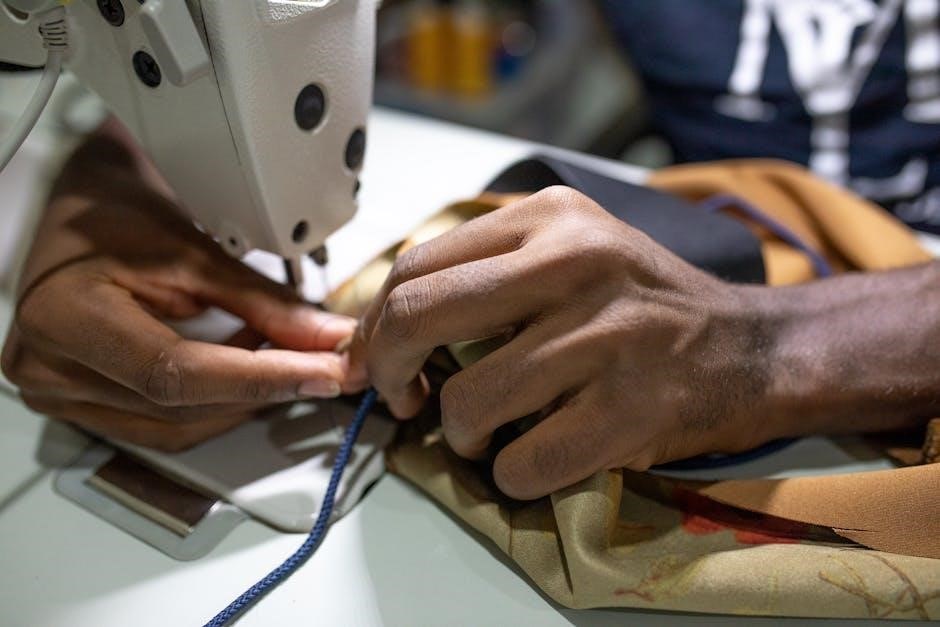
For buttonholes, utilize the buttonhole foot, ensuring precise and professional results. A zipper foot facilitates close-edge stitching along zippers, preventing fabric from slipping. An invisible zipper foot allows for hidden zipper applications, offering a clean finish. Furthermore, a rolled hem foot creates delicate rolled hems on lightweight fabrics. The open toe applique foot provides enhanced visibility for precise applique work.
Consult the manual for detailed illustrations and step-by-step instructions on attaching and utilizing each presser foot effectively. Proper foot selection significantly impacts stitch quality and project outcome.
Needle Selection Guide
Choosing the correct needle is crucial for optimal sewing performance with the Singer Stylist 7258. Needle size and type must match the fabric weight and fiber content; Universal needles are suitable for woven fabrics, while ballpoint needles are designed for knit fabrics, preventing skipped stitches and fabric damage.
For lightweight fabrics like silk or chiffon, use a smaller needle size (60/8 or 70/10); Medium-weight fabrics, such as cotton, require a size 80/12 or 90/14 needle. Heavyweight fabrics, like denim or canvas, necessitate a larger size (100/16 or 110/18). Stretch needles are specifically engineered for highly elastic fabrics like spandex or Lycra.
The manual details a comprehensive chart correlating fabric types with recommended needle sizes and types. Regularly inspect needles for damage, such as bent shanks or dull points, and replace them promptly. A fresh, sharp needle ensures clean, consistent stitches and prolongs fabric life.
Optional Accessories Available
Enhance your Singer Stylist 7258’s capabilities with a range of optional accessories. Numerous presser feet expand stitching options, including a quilting foot, satin stitch foot, and open-toe foot for decorative techniques. Spool pins, caps, and stands offer improved thread management during complex projects.
Additional bobbins and bobbin threads ensure uninterrupted sewing, while specialized needles cater to diverse fabric types. Consider a seam ripper for precise corrections and a lint brush for maintaining machine cleanliness. Explore walking feet for handling multiple fabric layers or slippery materials effectively.
The Singer website and authorized dealers provide a complete catalog of compatible accessories. Investing in these tools unlocks the full potential of your machine, allowing for greater creativity and precision in your sewing endeavors. Regularly check for new releases and promotions.
Safety Precautions
Always follow general and electrical safety guidelines to avoid injuries, especially needle-related incidents, while operating the Singer Stylist 7258 sewing machine.
General Safety Guidelines
Before operating your Singer Stylist 7258, carefully read the entire instruction manual to understand all safety precautions and operating procedures. Always disconnect the machine from the power source when not in use, before cleaning, or when changing parts like needles or presser feet. Never operate the machine if it is damaged or malfunctioning; seek qualified service for repairs.
Keep fingers and other body parts a safe distance from the needle while the machine is running. Use the appropriate needle for the fabric being sewn to prevent breakage and potential injury. Do not attempt to sew over broken needles. Always use the recommended accessories and attachments specified for the Singer Stylist 7258.
Supervise children closely when they are near the sewing machine. This machine is not intended for use by children without adult supervision. Ensure the work area is well-lit and free of clutter to prevent accidents. Never pull fabric while sewing; let the machine feed the fabric naturally.
Electrical Safety
To ensure electrical safety with your Singer Stylist 7258, always verify the voltage indicated on the machine matches your household power supply. Never operate the machine with a damaged power cord or plug. If the cord is damaged, it must be replaced by a qualified technician to avoid hazards.
Avoid using extension cords whenever possible. If an extension cord is necessary, ensure it is properly grounded and has a sufficient current rating for the sewing machine. Do not expose the machine to moisture or operate it with wet hands, as this increases the risk of electric shock.
Always unplug the machine from the electrical outlet before performing any maintenance, changing the bulb, or cleaning. Never attempt to disassemble or repair the electrical components yourself; refer servicing to qualified personnel. Grounding is essential for safety; do not bypass or remove the grounding prong.
Avoiding Needle Injuries
Protecting your fingers is paramount when operating the Singer Stylist 7258. Always keep fingers away from the needle area while the machine is running. Use the provided needle plate and finger guard to maintain a safe distance. Never pull or push the fabric while sewing; let the machine feed the fabric naturally.
When changing the needle, ensure the presser foot is raised and the machine is turned off. Dispose of used needles responsibly in a sharps container to prevent accidental punctures. Never sew over pins or thick materials that could cause the needle to break. If a needle breaks, immediately stop the machine and carefully remove the broken pieces.
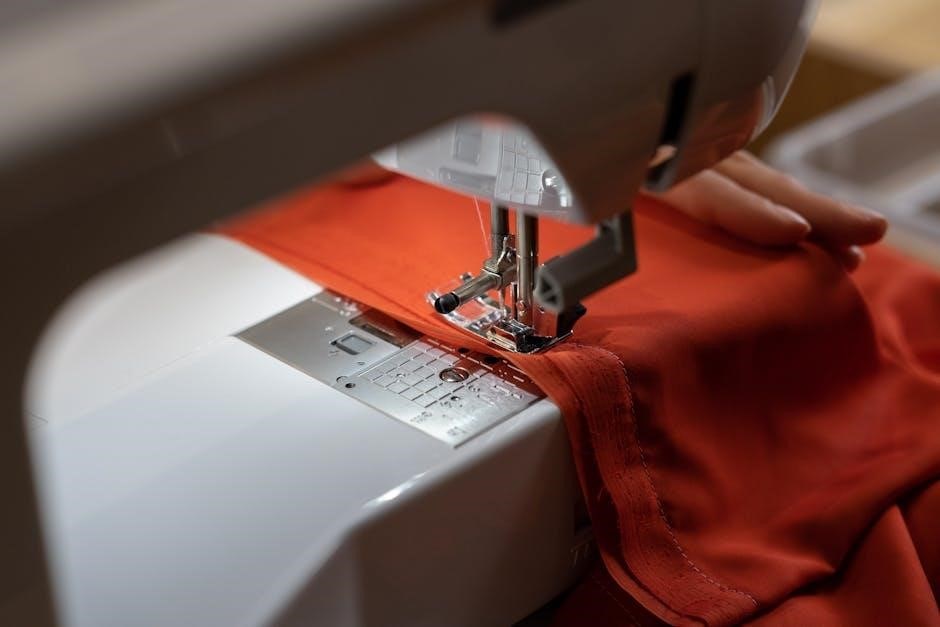
Regularly inspect needles for damage or bending before each use. A damaged needle can break easily and cause injury. Always use the correct needle type and size for the fabric being sewn. Prioritize safety and awareness to prevent needle-related accidents.
Related Posts
1 peter questions and answers pdf
Struggling with the book of Peter? Get instant answers to your burning questions & download a handy PDF study guide. Deepen your understanding now!
ditch witch parts manual
Find the right parts and troubleshooting tips for your Ditch Witch equipment with our comprehensive manual. Download now!