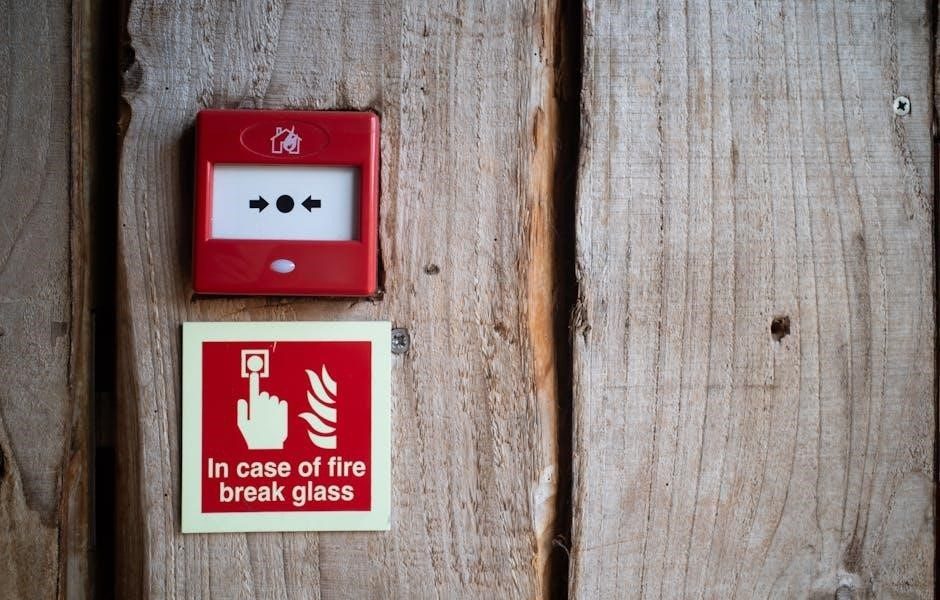
how often should you test manual fire alarm call points
British Standard BS 5839 mandates weekly testing of fire alarms, utilizing tests to pinpoint faults and ensure full regulatory compliance for safety.
Importance of Regular Testing
Consistent, weekly testing of manual call points is paramount for ensuring a fire alarm system’s reliability when lives depend on it. British Standard BS 5839 explicitly requires this frequency to proactively identify potential faults. Rotating through each call point sequentially guarantees comprehensive coverage over time, adhering to established standards.
Neglecting this vital step compromises system functionality, potentially leading to delayed responses during emergencies and increasing risk.
Consequences of Neglecting Testing
Failing to conduct regular, weekly call point tests, as dictated by BS 5839, severely jeopardizes fire safety. A compromised system may fail to activate during a real event, resulting in delayed emergency responses and potentially catastrophic consequences. This negligence can lead to increased property damage, injuries, and even loss of life.
Non-compliance also carries legal and financial repercussions.
Standards and Regulations Governing Testing
SOLAS, NFPA-72, and BS 5839 dictate fire alarm testing protocols; BS 5839 specifically requires weekly testing to maintain system reliability and compliance.
British Standard BS 5839 Requirements
BS 5839 is the cornerstone of UK fire alarm system standards, explicitly stating that all fire alarm systems should undergo testing once per week. This isn’t a full system test each time, but rather a rotating schedule.
The standard advocates for sequentially testing each manual call point over time, ensuring every device receives regular inspection. This rotating approach, combined with weekly checks, guarantees comprehensive coverage and adherence to safety regulations, identifying potential faults promptly and maintaining compliance.
SOLAS Chapter II-2, Part C, Regulation 7 & FSS Code Chapter 9
SOLAS and the FSS Code require periodic testing of fire detection and alarm systems as part of the annual inspection. While not specifying a weekly frequency directly, these regulations mandate that testing is integrated into the annual process.
This means call point functionality must be verified during the annual inspection, ensuring the system meets international maritime safety standards. Compliance relies on thorough documentation of these tests.
NFPA-72 (National Fire Alarm Code)
NFPA-72 doesn’t explicitly dictate a weekly testing schedule for manual call points, but emphasizes regular inspection and testing to ensure system reliability. It focuses on comprehensive system performance, including all initiating devices.
While weekly tests aren’t mandated, adherence to NFPA-72 requires a documented testing program that verifies each call point’s functionality at appropriate intervals, maintaining life safety standards.

Weekly Testing Protocol
Testing should occur at the same time each week, rotating through different call points to ensure sequential inspection of all devices, as recommended.
Frequency: Once Per Week
British Standard BS 5839 explicitly requires fire alarm systems to undergo testing once per week, a crucial element for maintaining reliable operation and adherence to safety regulations. This consistent schedule allows for the prompt identification of potential faults and ensures the system’s readiness. While comprehensive testing isn’t needed weekly, rotating through call points guarantees each device receives regular inspection over time, aligning with established standards and maximizing system effectiveness.
Rotating Call Point Testing
Implementing a rotating schedule for manual call point testing is highly recommended, even with weekly checks. Instead of testing every point each week, systematically cycle through them. This approach ensures all devices are inspected regularly, fulfilling British Standards requirements without overwhelming the system. Rotating testing provides comprehensive coverage over time, maximizing reliability and identifying potential issues across the entire fire alarm network efficiently.
Sequential Testing Approach
A sequential testing method complements weekly fire alarm checks, offering a structured way to verify each manual call point. By testing points in a predetermined order, technicians can easily track which devices have been inspected and when. This systematic approach, aligned with British Standards, ensures no call point is overlooked, contributing to a consistently reliable and fully compliant fire detection system.
Detailed Testing Procedure
Activate a manual call point, then verify alarm signal transmission to the panel. Following successful verification, promptly reset the call point for continued operation.
Activating a Manual Call Point
To initiate testing, locate a designated manual call point as part of your rotating weekly schedule. Firmly press the glass or activate the mechanism as per the manufacturer’s instructions. Observe the panel for immediate alarm signal reception, confirming the system’s responsiveness. Ensure the activation is deliberate and controlled, avoiding damage to the device. Document the time and call point location within your testing log for accurate record-keeping and compliance verification.
Verifying Alarm Signal Transmission
Upon call point activation, immediately confirm the fire alarm control panel registers the signal. Verify audible alarms sound and visual indicators illuminate as designed. Check for proper transmission to any connected monitoring station, if applicable. A successful test demonstrates the system’s ability to reliably alert occupants and external responders, crucial for life safety and regulatory adherence during weekly checks.
Resetting the Call Point
Following alarm verification, reset the manually activated call point using the designated key or tool. Ensure the panel acknowledges the reset and returns to its normal operational state. A resettable element, like in the SensoMAG MCP50, guarantees reliable function. Proper resetting is vital for system readiness, allowing immediate response to future activations during routine weekly testing schedules.

Annual Inspection and Comprehensive Testing
Annual inspections, aligning with SOLAS and NFPA-72, involve testing all system components, not just rotating call points, for complete fire safety assurance.
Integration with Annual Fire Alarm System Inspection
The periodic testing of fire detection and alarm systems, as required by SOLAS Chapter II-2, Regulation 7.3.2, is seamlessly integrated into the mandatory annual inspection process. This comprehensive assessment, outlined in subpart 71.25, ensures all components—including manual call points—are thoroughly evaluated. Weekly tests, while crucial for routine checks, are supplemented by this in-depth annual review, verifying the entire system’s functionality and adherence to safety standards. This holistic approach guarantees optimal performance and reliable protection against fire hazards, fulfilling both regulatory obligations and safeguarding lives and property.
Testing All System Components
During the annual inspection, a complete evaluation of the fire alarm system is paramount. This extends beyond call points to encompass detectors, control panels, notification appliances, and power supplies. Weekly testing focuses on rotating call point functionality, but the annual inspection verifies the integrated operation of every component. This holistic approach confirms the system’s ability to detect, alert, and initiate appropriate responses, ensuring comprehensive fire protection and adherence to standards like NFPA-72 and BS 5839;

Troubleshooting Common Issues During Testing
Faulty call points, communication failures, or panel discrepancies may arise; regular weekly tests, rotating through each point, help identify these issues promptly.
Faulty Call Points
During testing, encountering a non-responsive call point necessitates immediate investigation. The SensoMAG MCP50, a resettable manual call point, exemplifies reliable operation, but failures can occur. Consistent weekly testing, rotating through each device, is crucial for early detection. A faulty point might indicate a wiring issue, a damaged component, or a need for replacement. Thoroughly document any failures, noting the specific call point location and the nature of the malfunction for efficient repair and continued system integrity.
Communication Failures
If an activated call point fails to transmit a signal to the fire alarm panel, a communication failure exists. Weekly testing, as per British Standard BS 5839, helps identify these issues promptly. Investigate wiring connections, the panel’s receiver circuitry, and potential interference. SOLAS regulations emphasize system reliability; therefore, any communication lapse demands immediate attention and repair to ensure the system functions as designed during an emergency, protecting lives and property.
Panel Discrepancies
During weekly testing – a requirement of BS 5839 – observe the fire alarm panel for accurate zone identification when a call point is activated. Discrepancies, like incorrect zone displays or a failure to register the activation, indicate a problem. Thoroughly check panel programming, wiring to the call point, and the panel’s internal diagnostics. Addressing these issues promptly, as mandated by SOLAS, ensures reliable system operation and accurate emergency response.
Record Keeping and Documentation
Maintaining a testing log is crucial; document each weekly test, noting the date, time, call point tested, and any identified faults for compliance.
Maintaining a Testing Log
Detailed records are paramount for demonstrating adherence to BS 5839 and other regulations. Each weekly test must be meticulously logged, including the precise date and time of the activation.
Specifically note which manual call point was tested during each session, and crucially, document any faults discovered during the process. This log serves as vital evidence during inspections and ensures accountability, proving consistent system checks.
Documentation for Compliance
Comprehensive documentation is essential for demonstrating adherence to SOLAS, NFPA-72, and BS 5839 standards. Maintain records of all testing, including weekly call point rotations and annual comprehensive inspections.
These records should be readily available for inspection by authorities, proving consistent system checks. Proper documentation validates compliance and safeguards against potential liabilities, ensuring a safe environment.

Specific Considerations for Different Systems
Testing frequency remains weekly regardless of system type—conventional or addressable—but procedures may vary; SensoMAG MCP50 call points require resetting after each test.
Conventional Fire Alarm Systems
For conventional systems, like those utilizing the SensoMAG MCP50 manual call point, a rotating weekly test schedule is crucial. This involves activating a different call point each week to ensure comprehensive coverage and identify potential faults. Remember to reset the element after activation, guaranteeing reliable operation. Consistent weekly testing, as per BS 5839, is vital for maintaining system integrity and compliance, even though not every point needs testing each week—rotation is key.
Addressable Fire Alarm Systems
While the core principle of weekly testing remains consistent, addressable systems offer more granular monitoring. Each manual call point can be individually identified during testing, allowing for precise fault location. Like conventional systems, a rotating schedule—activating a different point weekly—is recommended. This ensures all devices are inspected regularly, adhering to BS 5839 standards, and maintaining optimal system performance and compliance, despite the advanced capabilities of addressable technology.

The Role of Qualified Personnel
Trained technicians are crucial for proper testing, ensuring adherence to BS 5839 and accurate fault identification during the required weekly checks.
Importance of Trained Technicians
Employing qualified personnel is paramount for effective fire alarm call point testing, as British Standard BS 5839 dictates weekly assessments. Technicians possess the expertise to accurately interpret system responses, identify potential faults, and ensure compliance with stringent safety regulations. Their competency guarantees reliable operation and minimizes false alarms, safeguarding lives and property. Proper training enables them to navigate complex systems, perform thorough inspections, and maintain detailed records, crucial for ongoing system integrity and adherence to legal requirements.
Certification and Competency
Given the weekly testing requirement outlined by British Standard BS 5839, technicians must demonstrate verifiable competency. Relevant certifications validate their understanding of fire alarm systems, testing protocols, and regulatory compliance. Competency encompasses accurate fault diagnosis, proper system resetting, and meticulous record-keeping. Qualified personnel ensure reliable alarm functionality, minimizing risks and upholding safety standards. Certification provides assurance that testing is performed correctly, protecting occupants and property through a consistently maintained, dependable fire safety system.

Impact of Environmental Factors
Despite weekly testing per BS 5839, factors like temperature, humidity, and debris can affect call point reliability, necessitating vigilant monitoring and maintenance.
Temperature and Humidity
Fluctuations in temperature and humidity can significantly impact the performance of fire alarm call points. Extreme conditions may cause corrosion, condensation, or expansion/contraction of components, potentially leading to malfunctions. While BS 5839 requires weekly testing, environments with high humidity or temperature swings necessitate more frequent visual inspections. These inspections should verify the call point’s physical integrity and ensure no moisture ingress or visible damage exists, supplementing the standard testing schedule to maintain reliability.
Dust and Debris
Accumulation of dust and debris can obstruct the operation of manual call points, hindering their activation or causing false alarms. While BS 5839 dictates weekly testing, environments prone to dust – like construction sites or manufacturing facilities – demand increased attention. Regular visual checks, alongside scheduled tests, are crucial to ensure call points remain unobstructed. Cleaning should be performed carefully, avoiding damage to sensitive components, to guarantee reliable functionality and system integrity.

Testing New Installations
Commissioning tests and initial system verification are vital for new fire alarm installations, confirming all components – including call points – function correctly before operation.
Commissioning Tests
Commissioning tests are a crucial phase following a new fire alarm system’s installation. These comprehensive tests verify that every component, specifically manual call points, operates as designed and integrates seamlessly with the overall system. Thorough testing confirms signal transmission to the control panel and any connected monitoring stations.
This initial verification ensures the system meets all relevant standards and regulations, providing reliable fire detection and alerting capabilities from the outset. Proper commissioning is paramount for life safety.
Initial System Verification
Initial system verification, post-installation, demands meticulous testing of each manual call point. This confirms proper functionality and communication with the fire alarm control panel. Verification includes activating each point and observing the corresponding alarm signal transmission.
Documenting these tests is vital for compliance and demonstrates the system’s readiness. This step ensures reliable operation and adherence to standards like BS 5839, guaranteeing life safety.
Remote Monitoring and Testing
While weekly tests are recommended, remote monitoring has limitations; it cannot fully replace physical checks of each manual call point for complete assurance.
Benefits of Remote Monitoring
Remote monitoring offers continuous system oversight, providing immediate alerts upon activation of a manual call point, enhancing response times and potentially minimizing damage. However, it’s crucial to remember that while beneficial, remote systems don’t negate the necessity of adhering to British Standard BS 5839’s requirement for weekly, rotated testing of each individual call point. This ensures full functionality and compliance, as remote monitoring alone cannot verify the physical integrity or proper operation of every device within the fire alarm system.
Limitations of Remote Testing
While remote monitoring provides valuable oversight, it cannot replace the essential practice of physical, weekly testing as dictated by British Standard BS 5839. Remote systems confirm signal transmission, but don’t verify the call point’s mechanical function or identify subtle issues like obstructed access. Rotating through each call point during weekly tests ensures comprehensive coverage, a level of detail remote testing simply cannot achieve, maintaining full system reliability and compliance.

Future Trends in Fire Alarm Testing
Smart systems may automate aspects of testing, but weekly manual verification—rotating through call points as per BS 5839—will remain crucial for complete assurance.
Smart Fire Alarm Systems
Emerging smart fire alarm technologies promise enhanced monitoring and diagnostics, potentially offering automated testing features. However, despite these advancements, the fundamental requirement for weekly manual call point testing, as stipulated by British Standard BS 5839, isn’t likely to disappear entirely. Rotating through each call point ensures comprehensive system coverage and identifies potential faults that automated systems might miss. These intelligent systems will likely supplement, not replace, the need for regular, hands-on verification of each manual activation device, maintaining a robust safety net.
Automated Testing Procedures
While fully automated testing of manual call points remains challenging, advancements are being made. Current best practice, guided by British Standard BS 5839, still necessitates weekly testing via manual activation, rotating through each device. Automated systems can assist by logging results and flagging anomalies, but cannot replicate the physical verification of a call point’s functionality. The core principle remains: regular, scheduled testing of each point is crucial for reliable fire detection and alarm system performance, ensuring life safety.
Resources and Further Information
BS 5839 details testing requirements, while NFPA-72 provides guidance. Consult these standards and organizations for comprehensive fire alarm system protocols.
Relevant Websites and Organizations
For detailed guidance on fire alarm testing, explore the British Standards Institution (BSI) website for BS 5839 information. The National Fire Protection Association (NFPA) offers resources on NFPA-72, the National Fire Alarm Code. Additionally, consult maritime regulations via the International Maritime Organization (IMO) regarding SOLAS conventions. These organizations provide crucial updates, best practices, and compliance documentation for maintaining effective fire safety systems, ensuring regular testing schedules are understood and implemented correctly for all manual call points.
Industry Best Practices
Industry experts recommend a rotating call point testing schedule, testing each device during its weekly check to ensure comprehensive coverage. Sequential testing, as outlined in BS 5839, is vital. Maintaining detailed logs of each test, including date, time, and call point ID, is crucial. Prioritize qualified personnel for testing, adhering to NFPA-72 guidelines, and promptly address any identified faults to uphold system reliability and life safety standards.
Related Posts

under milk wood text pdf
Lost in the whimsical Welsh village of Llareggub? Download the complete ‘Under Milk Wood’ text as a free PDF and experience Thomas’ lyrical masterpiece. Start reading now!

english language aqa revision guide
Stressed about AQA? 2 Bears & Counting offers clear, engaging revision guides to help you understand tricky topics & boost your grades. Get prepared now!
map of edinburgh city centre pdf
Get your free Edinburgh city centre map pdf and explore the heart of Scotland’s capital in the United Kingdom